




Hepatic Encephalopathy in Cirrhosis: From Ammonia Neurotoxicity to the Gut–Liver–Brain Axis, Precision Diagnosis, and Emerging Therapeutic Strategies

Hepatic encephalopathy (HE) is one of the most complex neurological complications of cirrhosis, traditionally attributed to impaired hepatic ammonia detoxification and consequent neurotoxicity. However, contemporary evidence increasingly supports a…

Euglycemic Diabetic Ketoacidosis in the Era of SGLT2 Inhibitors: Diagnostic Pitfalls, Pathophysiology, Clinical Management, and Strategies for Prevention
Euglycemic diabetic ketoacidosis (EDKA) has emerged as a clinically important metabolic emergency in the era of sodium-glucose cotransporter 2 (SGLT2) inhibitors. Characterized by significant ketosis and metabolic acidosis despite absent or only modest…

Precision Electrophysiology: Integrating High-Density Mapping, Cardiac Imaging, Artificial Intelligence, and Pulsed-Field Ablation for Personalized Arrhythmia Treatment
Precision electrophysiology is emerging as a multidisciplinary paradigm that seeks to transform cardiac arrhythmia treatment from anatomy-based ablation toward individualized, data-driven intervention. The integration of high-density electroanatomical…
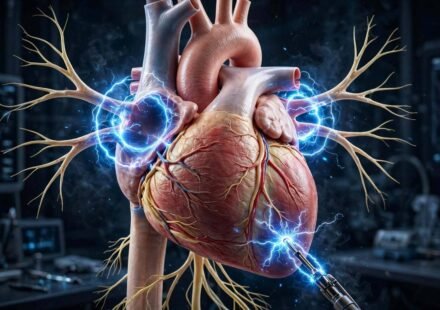
Pulsed-Field Ablation in the New Era of Electrophysiology: Mechanisms, Procedural Efficacy, Safety, Tissue Selectivity, and Long-Term Clinical Outcomes
Pulsed-field ablation (PFA) has emerged as a transformative energy modality in cardiac electrophysiology, introducing irreversible electroporation as an alternative to conventional thermal tissue destruction. By delivering ultrashort, high-voltage…
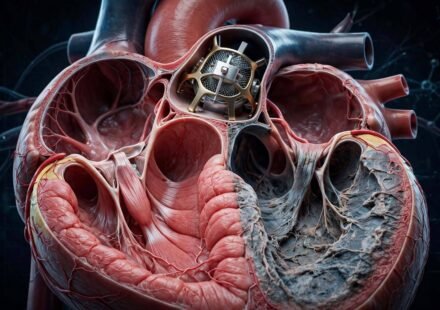
Beyond Procedural Success: Predictors of Left Ventricular Recovery and Persistent Heart Failure After TAVR
Transcatheter aortic valve replacement (TAVR) has transformed the treatment of severe aortic stenosis, but successful valve implantation does not necessarily translate into complete cardiac recovery. Relief of left ventricular pressure overload can…
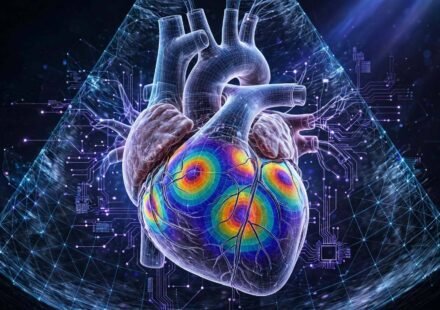
Beyond Ejection Fraction: The Emerging Role of Myocardial Strain, 3D Echocardiography, and Artificial Intelligence in Early Detection and Phenotyping of Heart Failure
Heart failure is increasingly recognized as a heterogeneous clinical syndrome in which conventional left ventricular ejection fraction (LVEF) provides only a partial representation of myocardial performance. Patients may develop substantial myocardial…
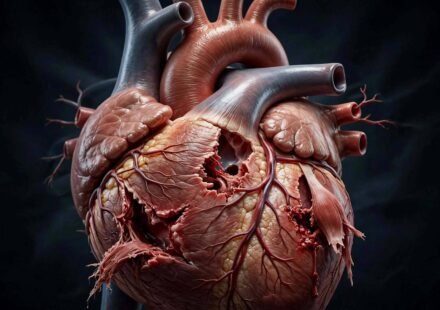
Mechanical Complications of Acute Myocardial Infarction
Mechanical complications of acute myocardial infarction are uncommon in the contemporary reperfusion era but remain among the most catastrophic cardiovascular emergencies. Papillary muscle rupture, post-infarction ventricular septal rupture, and left…

End-Stage Heart Failure in Congenital Heart Disease: When Conventional Surgery Fails — Mechanical Circulatory Support, Ventricular Assist Devices, and Heart Transplantation
End-stage heart failure in congenital heart disease represents one of the most complex challenges in contemporary congenital cardiac surgery and advanced heart failure medicine. Unlike conventional heart failure, congenital heart disease–associated…
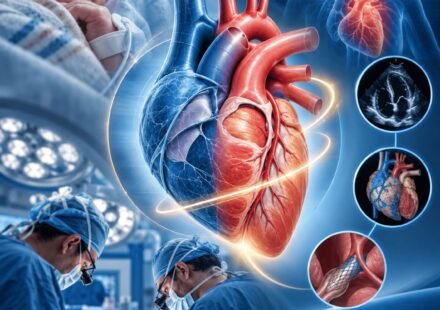
Contemporary Surgical Strategies for Borderline Left Heart in Congenital Heart Disease: Patient Selection, Ventricular Recruitment, Hybrid Palliation, and Long-Term Outcomes.
Borderline left heart disease represents one of the most complex decision-making territories in contemporary congenital cardiac surgery, occupying the spectrum between conventional biventricular repair and established single-ventricle palliation. This…