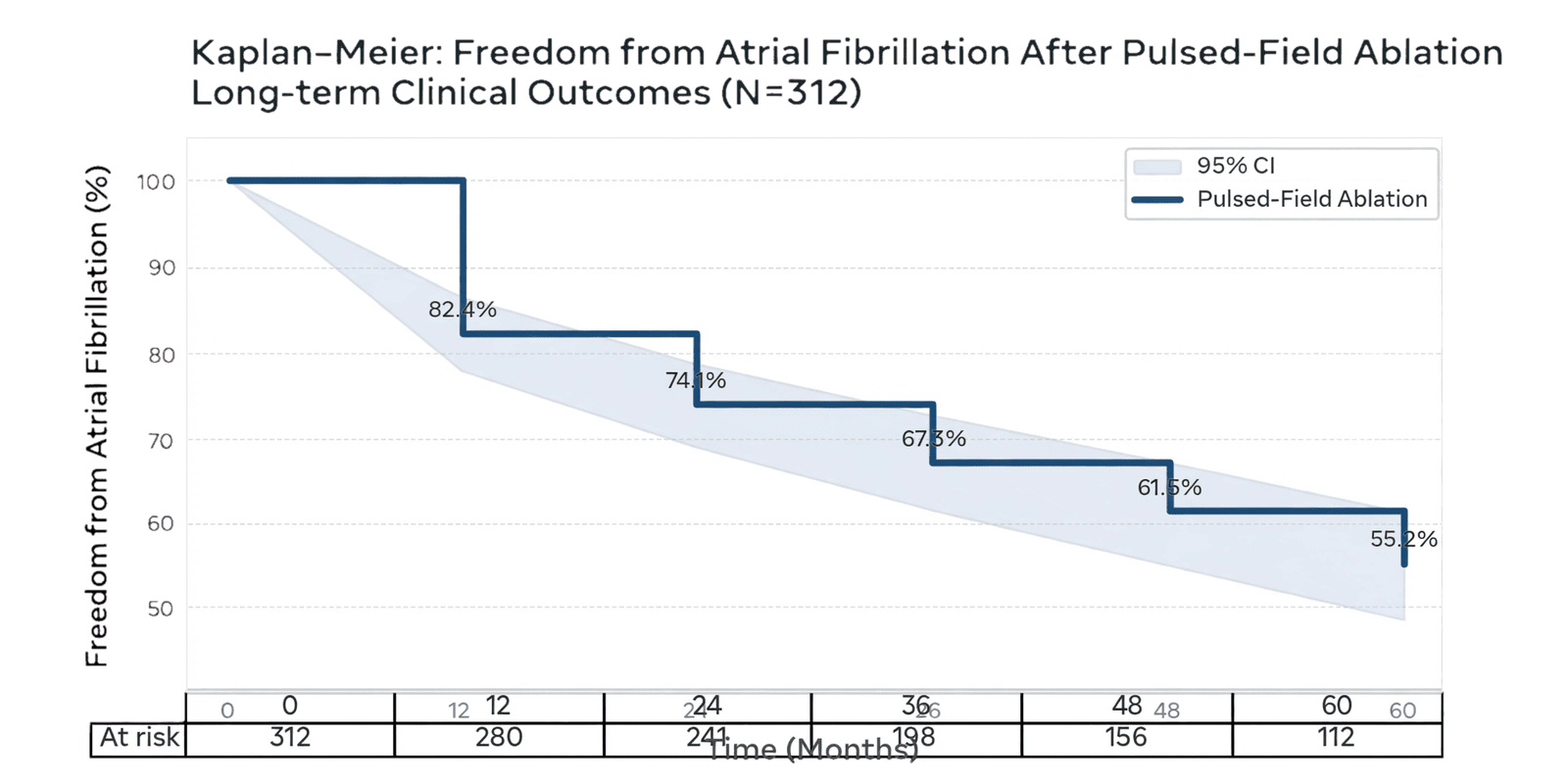




Introduction: The Emergence of Pulsed-Field Ablation in Contemporary Electrophysiology
Catheter ablation has transformed the management of atrial fibrillation (AF), particularly as pulmonary vein isolation (PVI) became the central procedural strategy for patients with symptomatic drug-refractory disease. For decades, radiofrequency (RF) energy and cryothermal energy dominated clinical practice. Both technologies can create effective myocardial lesions, but both ultimately depend on tissue injury mediated predominantly through thermal mechanisms. That dependence creates a fundamental limitation: thermal energy does not inherently distinguish myocardium from neighboring tissues. Consequently, injury to the esophagus, phrenic nerve, coronary arteries, and pulmonary veins has remained an important component of the risk profile of AF ablation.
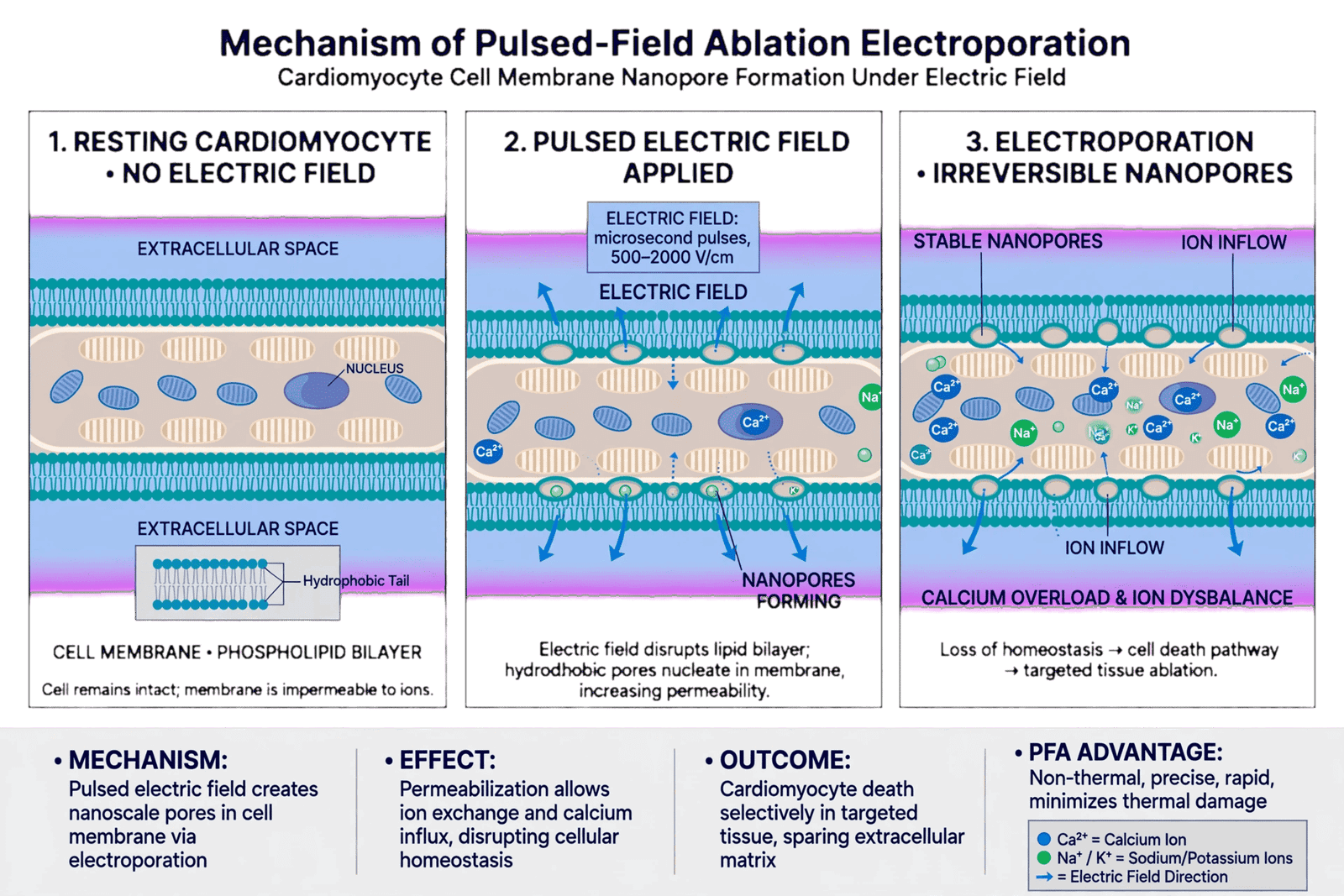
Pulsed-field ablation (PFA) emerged from a fundamentally different concept. Rather than heating or freezing tissue, PFA delivers very short, high-voltage electrical pulses that generate intense electric fields across cell membranes. When the electric field exceeds a tissue- and waveform-dependent threshold, the membrane develops nanoscale pores. If the injury is sufficiently severe, the membrane cannot restore normal homeostasis, producing irreversible electroporation and ultimately cell death. PFA is therefore generally classified as a nonthermal ablation technology, although the term “nonthermal” should not be interpreted as meaning that temperature is completely irrelevant under every waveform, electrode configuration, or clinical circumstance. Modern evidence increasingly describes PFA as predominantly nonthermal, tissue-selective, voltage-dependent, and contact-dependent rather than absolutely “contact-free” or universally cardioselective.
The clinical significance of PFA is not simply that it introduces another energy source. Its potential importance lies in changing the balance between efficacy and collateral injury. The ideal ablation technology would create a durable lesion in arrhythmogenic myocardium while minimizing damage to adjacent structures. PFA attempts to approach this objective by exploiting differences in electroporation susceptibility between cardiomyocytes and surrounding tissues.
Early clinical experience demonstrated that PFA could achieve rapid PVI, while larger studies subsequently established that the technology could perform competitively with conventional thermal ablation. In the ADVENT randomized trial, PFA was noninferior to conventional thermal ablation for paroxysmal AF at one year. The primary efficacy endpoint occurred in 73.3% of patients receiving PFA compared with 71.3% receiving thermal ablation, while the primary safety endpoint occurred in 2.1% versus 1.5%, respectively.
These results changed the discussion from “Can PFA work?” to more demanding questions: How durable are its lesions? Which tissues are actually protected? Does the safety advantage persist across different platforms? Can the technology improve outcomes in persistent AF? Does procedural speed translate into meaningful clinical benefit? And perhaps most importantly, does PFA simply replace one complication profile with another?
Large real-world data have provided encouraging answers, but also caution against excessive enthusiasm. MANIFEST-17K included 17,642 patients and reported a major complication rate of 0.98%, with no reported esophageal complications, pulmonary vein stenosis, or persistent phrenic nerve injury. However, coronary artery spasm occurred in 0.14%, and hemolysis with renal complications was reported in a small proportion of patients.
The field has also moved beyond paroxysmal AF. ADVANTAGE AF demonstrated the feasibility of PVI plus posterior wall ablation in persistent AF, with a one-year primary effectiveness rate of 63.5% and freedom from symptomatic recurrence of 85.3%. More recently, the 2026 AVANT GUARD randomized trial challenged the traditional sequencing of antiarrhythmic drugs before ablation in previously untreated persistent AF. At 12 months, treatment success was 56% with first-line PFA versus 30% with antiarrhythmic-drug therapy, with a hazard ratio for composite treatment failure of 0.46.
Therefore, PFA should not be viewed as merely a faster catheter. It represents a different biological approach to ablation and is forcing electrophysiology to reconsider procedural design, complication prevention, lesion assessment, and even the timing of ablation in the AF disease course. The central challenge for the modern electrophysiologist is no longer proving that PFA is effective. It is determining where its advantages are genuine, where they remain theoretical, and how the technology should be integrated without allowing the novelty of the energy source to substitute for rigorous patient selection and procedural discipline.
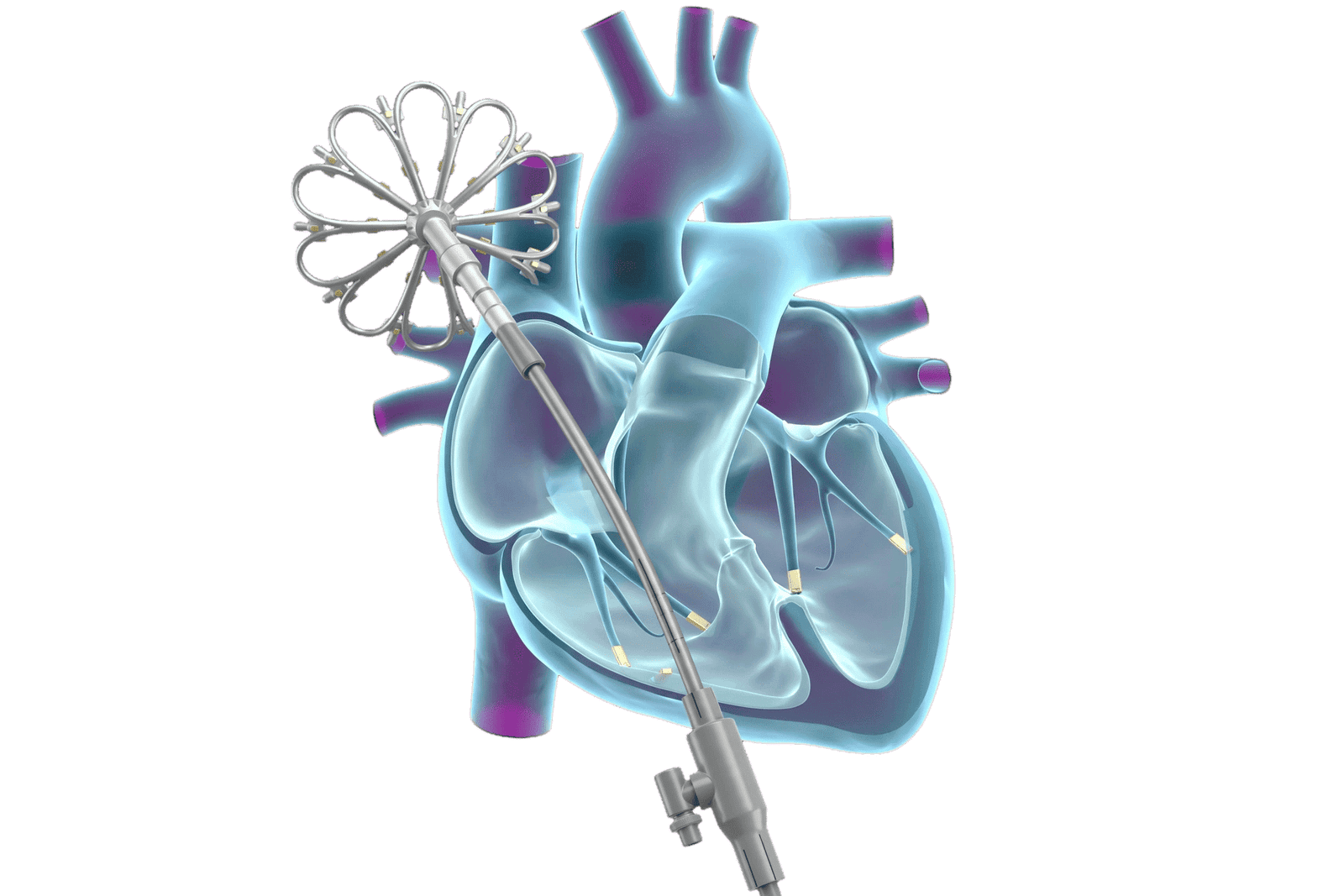
Biophysical Mechanisms of Pulsed-Field Ablation and Irreversible Electroporation
The biological foundation of PFA is electroporation. Every cell maintains a transmembrane potential generated by selective permeability and ionic gradients. When an external electric field is applied, the electrical potential across the membrane increases. If the induced transmembrane voltage reaches a critical level, structural changes develop within the lipid bilayer, resulting in formation of transient nanoscale pores.
At lower electric-field exposures, electroporation may be reversible. The membrane temporarily becomes more permeable and subsequently restores its integrity. This principle is exploited in laboratory and therapeutic applications involving gene delivery and drug transport. PFA, by contrast, aims to deliver electrical fields of sufficient amplitude and duration to produce irreversible electroporation. The resulting membrane disruption compromises ionic homeostasis, causes intracellular and extracellular equilibration, and initiates cellular injury pathways leading to cell death and eventual replacement by fibrosis. The exact sequence of cell death is complex and may involve apoptosis, necrotic pathways, membrane destabilization, inflammatory signaling, and tissue remodeling rather than one uniform mechanism.
Several variables determine whether a PFA pulse produces reversible or irreversible effects. Electric-field strength is fundamental, but it is not the only determinant. Pulse duration, waveform morphology, polarity, frequency, number of pulses, electrode geometry, tissue orientation, electrode-tissue contact, and local tissue characteristics all influence the resulting lesion. This is one reason why it is scientifically inappropriate to treat “PFA” as a single homogeneous technology. Different commercial systems use different catheter geometries, pulse characteristics, energy delivery algorithms, and procedural strategies.
The geometry of the electric field is particularly important. Electrical intensity is greatest in certain regions between electrodes and decreases with distance. Consequently, lesion formation is spatially heterogeneous and strongly influenced by catheter configuration and tissue contact. A large-footprint multipolar catheter can treat substantial areas rapidly, while focal systems can theoretically provide greater targeting flexibility. Balloon and lattice-based concepts provide other approaches to controlling the field distribution. The 2024 international consensus recognizes that PFA can be delivered through multipolar, balloon-type, point-by-point, and larger-tip catheter configurations.
The term “nonthermal” also deserves careful interpretation. PFA does not rely on sustained heating as its primary mechanism, which distinguishes it from RF ablation. Nevertheless, electrical energy can produce some degree of temperature change depending on pulse parameters, electrode characteristics, tissue contact, and repeated applications. Therefore, the clinically relevant distinction is not “zero heat versus heat,” but rather “electroporation-dominant tissue injury versus thermal coagulative injury.”
Another important concept is lesion depth. Electrical fields penetrate tissue according to their spatial distribution, and lesion depth can be influenced by the voltage, electrode configuration, tissue contact, and repetition of applications. The 2024 consensus emphasizes that acute disappearance of electrograms after PFA does not necessarily guarantee durable long-term lesion formation. Electrical stunning can contribute to transient signal loss, meaning acute electrical silence should not automatically be interpreted as irreversible tissue destruction. Repetitive applications may increase field penetration and improve lesion depth.
This issue is crucial because the electrophysiologist ultimately cares about durable conduction block rather than immediate electrogram disappearance. In thermal ablation, operators traditionally use surrogate markers such as contact force, impedance drop, lesion index, power, duration, and temperature. PFA requires a different conceptual framework. The relevant variables include field strength, application count, electrode-tissue interaction, catheter stability, anatomical positioning, and confirmation of electrical isolation.
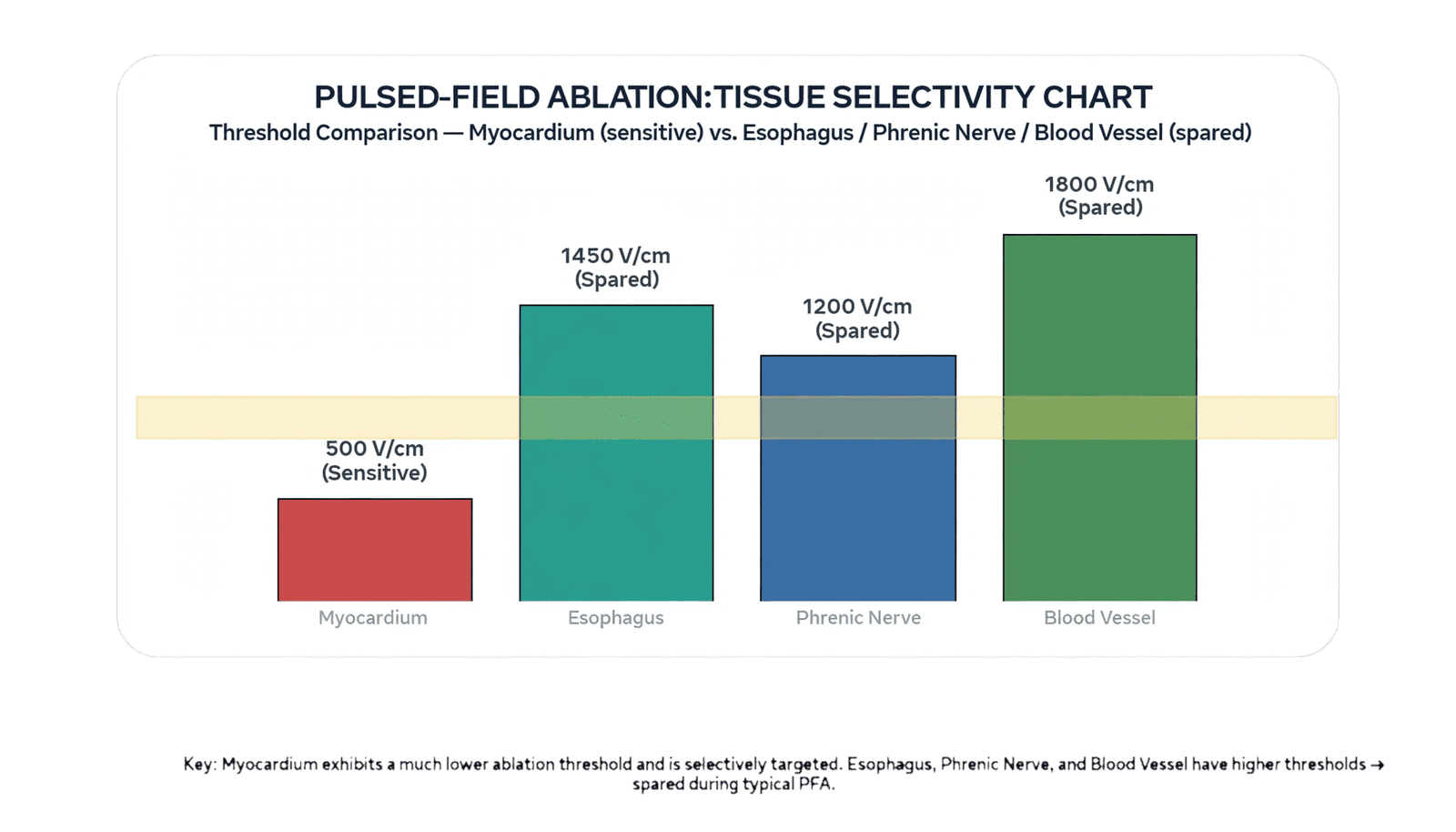
PFA also has an important relationship with cell size and orientation. Cardiomyocytes appear particularly susceptible to electroporation under relevant conditions, while different tissue types have different thresholds. This biological difference is a major component of the proposed tissue selectivity of PFA. However, the threshold separation is not absolute, and tissue selectivity depends on the specific energy delivery conditions. A field strong enough to injure myocardium may still affect other excitable tissues under certain circumstances.
This explains why the modern view of PFA is becoming more sophisticated. The early narrative was that PFA was “cardioselective.” Contemporary scientific statements increasingly describe it as relatively tissue-selective rather than absolutely tissue-specific. This distinction matters clinically. It acknowledges the impressive reduction in certain collateral injuries while recognizing that energy-specific complications, such as coronary spasm and hemolysis, remain biologically plausible and clinically relevant.
Ultimately, the strength of PFA is not that it eliminates the biological complexity of ablation. It changes the dominant biological mechanism. The next generation of PFA development will therefore depend on understanding the interaction between electrical physics, cellular biology, catheter geometry, and tissue architecture sufficiently well to produce reproducible, durable lesions with predictable safety.
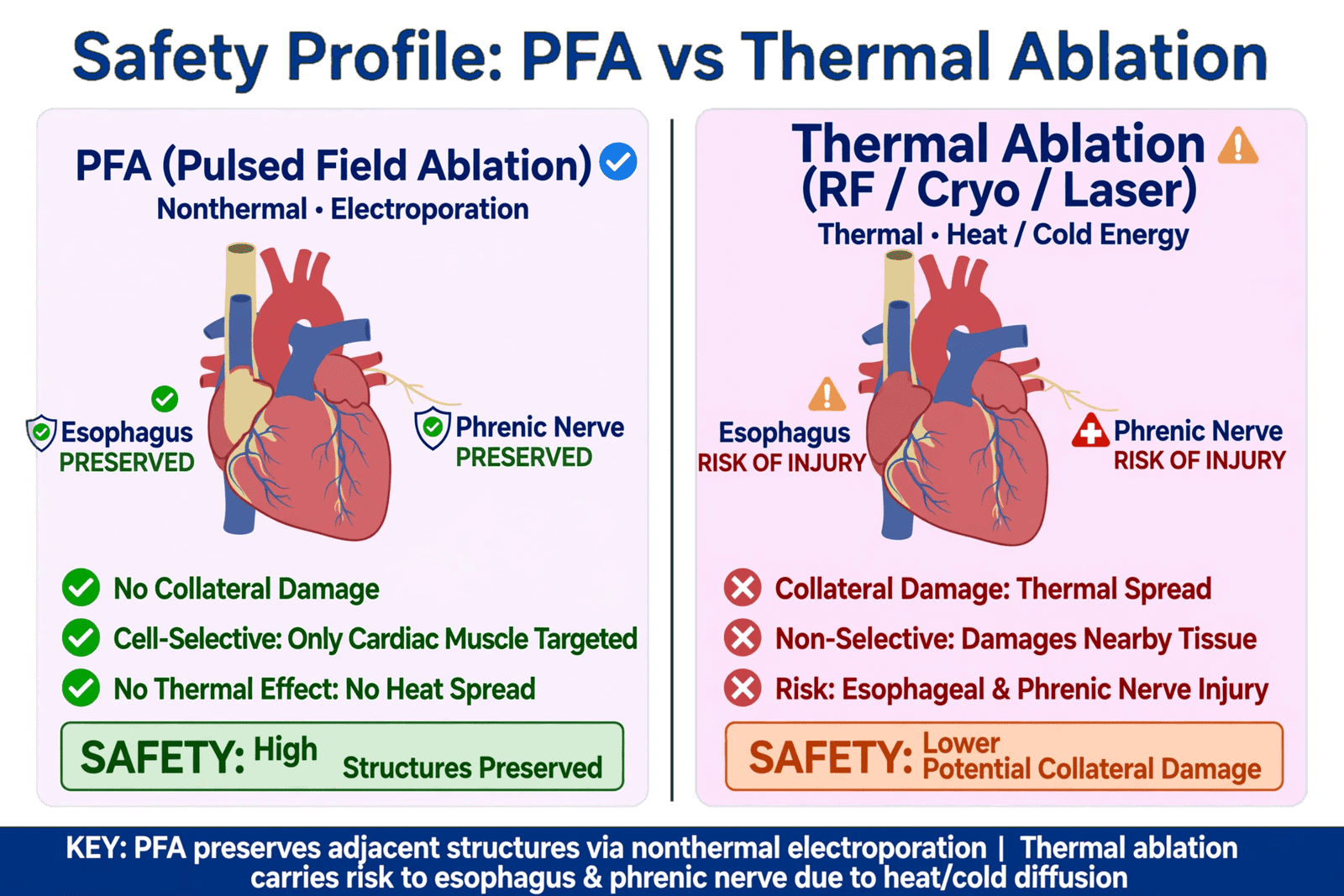
Tissue Selectivity: Why PFA May Protect the Esophagus, Phrenic Nerve, and Pulmonary Veins
The most attractive theoretical advantage of PFA is tissue selectivity. During thermal AF ablation, the energy delivered to atrial myocardium can extend beyond the target tissue. Because the posterior left atrium may lie close to the esophagus, thermal spread can injure the esophageal wall. RF and cryothermal energy can also affect the phrenic nerve, particularly around the right-sided pulmonary veins, while aggressive thermal treatment near pulmonary veins historically raised concern for pulmonary vein stenosis.
PFA attempts to solve this problem through differences in electroporation thresholds between tissues. Cardiomyocytes are particularly sensitive to the electrical fields used in cardiac PFA, whereas the esophagus and other neighboring tissues may require different exposure conditions to develop clinically meaningful injury. Preclinical and clinical observations have therefore suggested a degree of myocardial preference.
The esophagus is perhaps the most clinically important example. Atrio-esophageal fistula is rare but catastrophic, and even less severe esophageal injury can cause significant morbidity. The potential ability to deliver energy close to the posterior atrial wall without relying on thermal protection strategies is therefore one of PFA’s strongest theoretical benefits. In MANIFEST-17K, involving more than 17,000 patients, no esophageal complications or atrio-esophageal fistulas were reported.
However, this finding must be interpreted correctly. “No events observed” is not equivalent to “zero risk.” Atrio-esophageal fistula is extremely uncommon even with thermal ablation, making enormous sample sizes necessary to demonstrate meaningful differences in very rare events. Furthermore, the MANIFEST-17K registry involved a particular pentaspline PFA system and post-approval practice patterns. Its findings cannot automatically be generalized to every future PFA platform.
The phrenic nerve provides another important example. The nerve is particularly vulnerable during ablation around the right superior pulmonary vein and superior vena cava. Cryoballoon ablation can cause phrenic nerve injury because of the proximity of the nerve to the targeted anatomy and the physical spread of freezing. PFA appears to substantially reduce persistent phrenic injury. In MANIFEST-17K, persistent phrenic nerve palsy was not reported, while transient phrenic paresis occurred in 0.06% of patients and recovered by hospital discharge.
Again, the appropriate interpretation is relative protection, not absolute immunity. The contemporary literature increasingly recognizes that PFA can affect nonmyocardial tissues when the electrical field and exposure conditions are sufficient. Therefore, anatomical awareness remains necessary. A catheter should not be positioned carelessly simply because the energy source is considered tissue-selective.
Pulmonary vein stenosis represents a different problem. Thermal energy delivered too deeply within the veins can cause inflammation, edema, fibrosis, and narrowing. PFA appears to have a markedly favorable profile in this regard. MANIFEST-17K reported no pulmonary vein stenosis, and newer clinical studies have similarly demonstrated very low rates of clinically significant stenosis.
The concept of tissue selectivity also extends to structures that were initially assumed to be relatively protected. Coronary arteries provide an important cautionary example. PFA near coronary arteries can provoke coronary spasm, probably through direct electrical effects, vascular smooth-muscle responses, autonomic mechanisms, or combinations of these processes. MANIFEST-17K identified coronary spasm in 0.14% of patients, mostly associated with anatomical proximity.
This is a key conceptual lesson. PFA does not eliminate collateral injury; it changes which collateral injuries dominate. The classic thermal complications appear markedly reduced, while energy-specific events become more visible. This has been emphasized in recent scientific statements describing PFA as tissue-selective, contact-dependent, minimally thermal, and voltage-dependent rather than universally cardioselective.
There is also an important distinction between anatomical protection and biological durability. Sparing the esophagus is valuable only if the target myocardium is adequately and durably ablated. A technology that is extremely safe but creates insufficient lesions would not represent a meaningful clinical advance. PFA’s success therefore depends on maintaining both selectivity and adequate lesion depth.
The future of tissue selectivity will probably involve more sophisticated field mapping, catheter-tissue sensing, real-time electrical feedback, adaptive energy delivery, and integration with electroanatomic mapping. Rather than relying on the assumption that every PFA pulse behaves identically, next-generation systems may increasingly calculate the local field required for durable myocardial injury while minimizing unnecessary exposure.
Thus, tissue selectivity is one of PFA’s greatest advantages, but it should be described scientifically as a probability shift in favor of myocardial injury—not as a biological force field surrounding the heart. The strongest evidence supports a major reduction in certain thermal collateral injuries, while the continuing emergence of coronary spasm and hemolysis demonstrates that the safety profile of PFA remains dynamic.
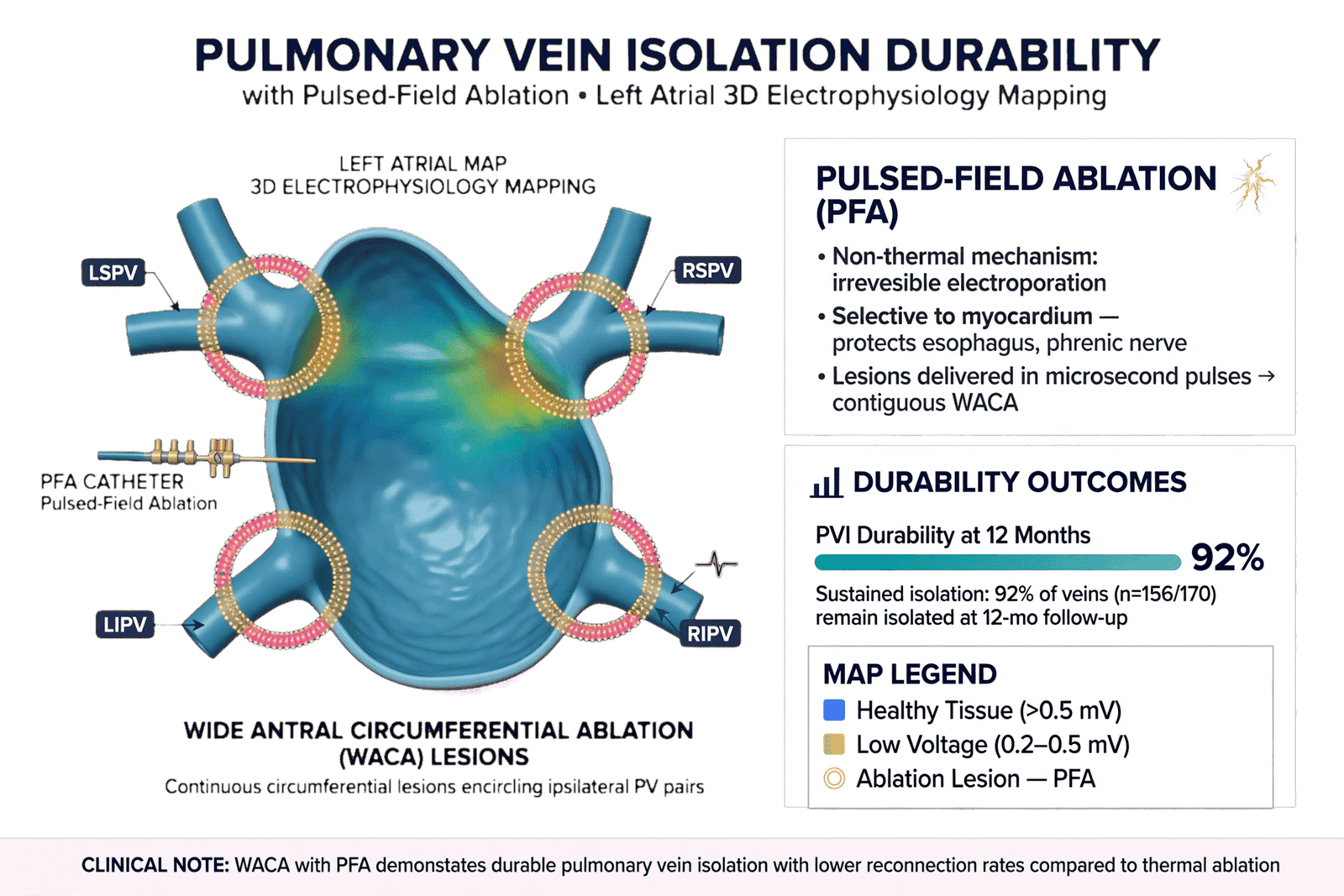
Procedural Workflow, Catheter Technology, Lesion Formation, and Procedural Efficiency
One of the most visible differences between PFA and conventional ablation is procedural efficiency. Traditional RF ablation frequently requires point-by-point lesion creation around each pulmonary vein, with careful attention to catheter stability, contact force, power, duration, and lesion continuity. Cryoballoon ablation simplifies lesion creation by allowing circumferential energy delivery, but balloon positioning and vein occlusion remain central procedural requirements.
PFA has introduced several catheter architectures designed to treat larger areas rapidly. The pentaspline catheter is a prominent example, using a flexible multi-electrode configuration that can be deployed in different shapes to surround or contact the pulmonary veins. Other platforms use variable-diameter circular configurations, focal electrodes, balloon-based designs, or lattice-style geometries. The objective is the same: generate a controlled electrical field large enough to create a continuous or overlapping lesion set.
The procedural sequence generally begins with vascular access, transseptal access to the left atrium, catheter positioning, pulmonary vein mapping, and delivery of PFA applications around the veins. Depending on the platform and clinical indication, additional ablation may be performed at the posterior wall, cavotricuspid isthmus, or other targets. Confirmation of electrical isolation remains essential.
One of the major practical advantages of PFA is the speed of energy delivery. Individual applications occur over very short periods, and multiple electrodes can deliver energy simultaneously. This can substantially reduce the time required to achieve PVI. In real-world and prospective studies, total procedure times have generally been competitive with or shorter than conventional approaches, although the exact benefit depends on catheter platform, anesthesia strategy, mapping requirements, operator experience, and lesion set.
For example, the FARADISE registry reported a median total procedure time of approximately 51 minutes and left atrial dwell time of approximately 31 minutes in a large international real-world cohort using a pentaspline PFA catheter. In the ADVANTAGE AF study of persistent AF, mean total procedure time was approximately 103 minutes, reflecting the substantially more extensive PVI plus posterior wall strategy.
The importance of procedural efficiency extends beyond convenience. Shorter procedures can reduce anesthesia exposure, catheter manipulation, radiation exposure in some workflows, and resource utilization. However, the assumption that “shorter is automatically safer” should be resisted. A fast procedure with inadequate lesion assessment can create a false sense of success. Procedural quality must remain the primary endpoint.
Another important consideration is electroanatomic mapping. Some PFA workflows can achieve PVI with relatively limited mapping because the catheter itself provides a large treatment footprint and can be used in anatomically guided positions. This may simplify procedures for selected patients. Conversely, complex persistent AF, prior ablation, atypical flutter, ventricular arrhythmias, or anatomically unusual substrates still require sophisticated mapping.
PFA can also terminate AF during ablation. In ADVANTAGE AF, a substantial proportion of patients presenting in AF converted to sinus rhythm during the procedure. Such termination may be clinically interesting but should not be confused with proof of complete substrate elimination. Acute conversion can result from modification of pulmonary venous triggers, atrial myocardium, autonomic influences, or transient electrophysiological effects.
Lesion assessment remains one of the unresolved technical challenges. Thermal ablation has developed extensive surrogate metrics over decades, whereas PFA is comparatively new. Acute electrical silence can reflect reversible stunning, so operators must verify durable electrical isolation rather than assuming that disappearance of electrograms equals permanent lesion formation. The 2024 consensus specifically warns against interpreting acute electrogram disappearance as definitive evidence of long-term success.
The number and pattern of applications also matter. Repeated PFA applications can increase field exposure and potentially improve lesion depth, but excessive applications may increase the probability of energy-specific complications such as hemolysis. This creates an important optimization problem: the operator needs enough applications to create durable lesions but should avoid unnecessary cumulative energy exposure.
Operator learning curves are another increasingly recognized issue. ADVANTAGE AF demonstrated differences in effectiveness related to operator experience, highlighting that PFA does not completely eliminate the importance of procedural expertise.
Ultimately, PFA may make ablation faster and more standardized, but it does not make electrophysiology automatic. The modern EP laboratory must understand electrical-field geometry, catheter configuration, tissue contact, anatomical relationships, lesion verification, anticoagulation, vascular access, and recognition of energy-specific complications. PFA simplifies some parts of the procedure while introducing a new set of technical variables that must be mastered.
Clinical Efficacy in Paroxysmal and Persistent Atrial Fibrillation
The strongest clinical evidence for PFA initially emerged in paroxysmal AF, where pulmonary vein triggers are central to disease initiation and PVI is the cornerstone of ablation. The ADVENT randomized trial provided a pivotal comparison between PFA and conventional thermal ablation. Among 607 patients with drug-refractory paroxysmal AF, PFA achieved noninferiority to RF or cryoballoon ablation for the composite efficacy endpoint at one year. The estimated probability of treatment success was 73.3% with PFA versus 71.3% with thermal ablation.
The importance of ADVENT is greater than the numerical difference between the two groups. The trial established that PFA could achieve clinical outcomes comparable to established thermal technologies while offering a fundamentally different safety profile. It therefore provided the evidence required to move PFA from experimental technology toward mainstream clinical practice.
The PULSED AF pivotal trial further demonstrated clinical effectiveness in both paroxysmal and persistent AF. At one year, the primary effectiveness endpoint was achieved in 66.2% of patients with paroxysmal AF and 55.1% of patients with persistent AF. The primary safety endpoint occurred in 0.7% of patients in each cohort.
The lower success rate in persistent AF is not surprising. Persistent AF represents a more advanced atrial disease phenotype involving electrical remodeling, structural remodeling, fibrosis, altered autonomic behavior, and a greater probability of non-pulmonary-vein drivers. PVI remains fundamental, but PVI alone may not address the entire arrhythmogenic substrate.
ADVANTAGE AF specifically evaluated PFA for persistent AF using PVI plus posterior wall ablation. In 339 patients, acute success for both PVI and posterior wall ablation was 99.7%. At one year, the primary effectiveness rate was 63.5%, while freedom from symptomatic recurrence was 85.3%. Importantly, the study also showed that asymptomatic recurrences contributed substantially to the formal failure endpoint, illustrating how intensive rhythm monitoring can produce apparently lower efficacy rates than symptom-based clinical follow-up.
This distinction matters when comparing studies. A trial using continuous monitoring may identify more short episodes of asymptomatic AF than a study relying on intermittent ECGs or symptoms. Therefore, percentages cannot always be compared directly across studies without examining the monitoring strategy and endpoint definition.
The most consequential recent development occurred in 2026 with AVANT GUARD. The trial evaluated first-line PFA versus antiarrhythmic-drug therapy in previously untreated persistent AF. At 12 months, treatment success was estimated at 56% in the PFA group compared with 30% in the antiarrhythmic-drug group. The hazard ratio for composite treatment failure was 0.46, strongly favoring PFA.
This result has implications beyond PFA itself. It challenges the conventional therapeutic sequence in which patients with persistent AF are often treated initially with antiarrhythmic drugs before ablation. However, it does not mean every patient with persistent AF should immediately undergo PFA. The trial enrolled a specific population under a controlled protocol, and treatment decisions remain dependent on patient characteristics, AF duration, atrial remodeling, comorbidities, procedural risk, patient preferences, and local expertise.
Real-world evidence generally supports clinical effectiveness while revealing differences between paroxysmal and persistent disease. MANIFEST-PF included 1,568 patients and reported one-year freedom from atrial arrhythmia of 78.1%. The estimate was 81.6% for paroxysmal AF and 71.5% for persistent AF.
The FARADISE registry provides another important perspective, particularly because it reflects contemporary global practice. In its 12-month analysis, documented arrhythmia recurrence was more common in non-paroxysmal than paroxysmal AF.
Therefore, the evidence supports a clear hierarchy: PFA is highly effective for PVI in paroxysmal AF, effective but more challenging in persistent AF, and increasingly supported as an early intervention strategy. What should not be concluded is that PFA has “solved” AF recurrence. Recurrence remains biologically determined by atrial substrate, pulmonary vein reconnection, non-PV triggers, disease progression, and patient-level risk factors.
The real achievement of PFA is therefore not miraculous elimination of recurrence. It is the ability to produce rapid, reproducible myocardial lesions with a favorable balance of efficacy and collateral-tissue safety, while opening the possibility of earlier intervention and more efficient procedural strategies.
Safety Profile and the Changing Spectrum of PFA-Related Complications
The safety argument for PFA is compelling but should be framed precisely. The major traditional thermal complications of AF ablation include esophageal injury and atrio-esophageal fistula, pulmonary vein stenosis, and persistent phrenic nerve injury. PFA has demonstrated remarkably low observed rates of these events. However, it introduces a different set of potential complications that are specific or particularly relevant to electrical-field energy.
The MANIFEST-17K registry represents one of the largest real-world safety datasets for PFA. Among 17,642 patients, the overall major adverse-event rate was 0.98%. Pericardial tamponade occurred in 0.36%, vascular complications requiring intervention in 0.30%, stroke in 0.12%, coronary artery spasm in 0.14%, and death in 0.03%. There were no reported esophageal complications, pulmonary vein stenosis, or persistent phrenic nerve injuries.
These numbers demonstrate two different realities. First, PFA appears to substantially reduce certain energy-mediated injuries. Second, conventional procedural risks remain. Tamponade, vascular injury, stroke, and other complications can occur because PFA still requires transseptal access, catheter manipulation, anticoagulation, and intracardiac instrumentation.
Coronary artery spasm is one of the most important PFA-specific concerns. In MANIFEST-17K, 25 cases were reported. Most were related to proximity of the ablation field to a coronary artery. Although the absolute rate was low, some episodes were clinically serious, including ventricular arrhythmias and hemodynamic compromise.
The emergence of coronary spasm illustrates why the early narrative that PFA was simply “safer” is incomplete. The technology may reduce thermal collateral injury while introducing electrophysiological or vascular effects that require new preventive strategies. Coronary proximity should therefore be incorporated into procedural planning, especially for right atrial structures, mitral isthmus-related targets, and other locations near epicardial coronary anatomy.
Hemolysis represents another energy-specific issue. High-voltage electrical pulses can produce red-cell membrane injury under certain exposure conditions, potentially resulting in hemoglobinuria and, in rare cases, renal injury. In ADVANTAGE AF, two cases of laboratory-confirmed hemolysis were reported, including one associated with transient acute kidney injury after a high cumulative number of PFA applications.
The clinical relevance of hemolysis is not merely theoretical. Operators should recognize dark urine or hemoglobinuria after extensive PFA, assess renal function when appropriate, and avoid unnecessary excessive energy applications. The relationship between pulse number, field exposure, catheter configuration, and hemolysis requires further study.
Transient phrenic nerve effects remain possible despite the strong overall safety profile. MANIFEST-17K reported transient phrenic paresis in 0.06%, with recovery by discharge. This again reinforces the principle that “tissue selectivity” does not mean “tissue immunity.”
Pericardial complications remain relevant as well. PFA does not eliminate perforation or tamponade because mechanical catheter manipulation and transseptal access remain intrinsic to the procedure. In fact, MANIFEST-17K identified tamponade as the most common major complication.
The 2026 DISRUPT-AF prospective multicenter study provides further contemporary safety data. Among 1,576 patients, procedure/device-related adverse events at three months occurred in 1.6%, with major procedure/device-related events in 0.7%. No esophageal injury, persistent phrenic nerve injury, or pulmonary vein stenosis was reported.
The modern interpretation of PFA safety should therefore be expressed as a redistribution of risk. Traditional thermal collateral injuries appear substantially reduced, while general catheter-ablation complications remain and energy-specific complications such as coronary spasm and hemolysis become increasingly recognizable. A 2026 scientific review explicitly emphasized that the PFA complication profile has evolved rather than simply disappeared, with overall major adverse-event rates remaining low but energy-specific events requiring focused attention.
This distinction is crucial for informed consent. Patients should not be told that PFA eliminates the major risks of catheter ablation. Rather, the risk profile is different, with strong evidence for reduction of certain thermal injuries and continuing uncertainty around rare long-term and platform-specific events.
The future safety strategy will likely depend on standardized reporting, large registries, prospective surveillance, better coronary-risk assessment, optimized pulse protocols, and improved understanding of cumulative energy exposure. PFA is already safer in several important dimensions, but its safety story is still being written.
Lesion Durability, Recurrence, Remodeling, and Long-Term Clinical Outcomes
Long-term durability is arguably the most important unresolved issue in any new ablation technology. A lesion that looks successful during the index procedure but later reconnects the pulmonary vein provides only temporary benefit. For PFA, this question is particularly important because acute electrical silence may include reversible electrophysiological stunning.
Early clinical trials provided evidence that optimized PFA waveforms can achieve durable PVI. Long-term follow-up from early multicenter PFA cohorts has been encouraging. In a three-year evaluation of paroxysmal AF patients, no late ablation-related safety events were observed, and repeat ablation after the first year was required in approximately 12.8% of patients with available data. Importantly, patients treated with optimized waveforms demonstrated greater durability than some patients treated with earlier-generation waveforms.
This observation is important because it demonstrates that “PFA” is not a static technology. Waveform optimization can potentially influence lesion durability. Therefore, comparing early-generation PFA studies with contemporary platforms without considering technical evolution may underestimate current performance.
The FARA-Freedom study enrolled 179 patients with paroxysmal AF and demonstrated 100% acute PVI. At one year, freedom from the composite effectiveness endpoint was 66.6%, while the composite safety endpoint occurred in 1.1%. No coronary spasm, pulmonary vein stenosis, or atrio-esophageal fistula was observed.
Long-term observational studies also suggest that patients who remain recurrence-free during the first year may have relatively favorable subsequent trajectories. However, recurrence is not exclusively a problem of vein reconnection. AF is a progressive disease. A patient may have durable PVI but subsequently develop atrial arrhythmia because of new substrate, non-PV triggers, atrial enlargement, fibrosis, obesity, sleep apnea, hypertension, alcohol exposure, or other modifiable and nonmodifiable factors.
The ADVENT long-term extension provides particularly important randomized evidence. At approximately four years, estimated treatment success was 72.8% with PFA versus 64.3% with thermal ablation. Although the difference did not reach conventional statistical significance, the long-term results demonstrate that the early PFA advantage did not disappear over time. The study also found fewer patients requiring antiarrhythmic drugs in the PFA group at four years.
This is a more meaningful finding than simply reporting one-year efficacy. It suggests that PFA lesions can remain clinically effective over several years and that the technology does not appear to suffer from an obvious late durability failure compared with thermal ablation.
Three-year comparative data have similarly suggested that arrhythmia freedom after PFA can remain competitive with cryoballoon and RF ablation. In one retrospective three-year study of paroxysmal AF, estimated freedom from atrial tachyarrhythmia was 76.9% with PFA, 72.7% with cryoballoon ablation, and 66.9% with RF, although the overall difference was not statistically significant.
These results reinforce an important principle: PFA should not be judged solely by whether it produces a statistically superior recurrence rate. If efficacy is broadly comparable while procedural efficiency and collateral safety improve, the clinical value may still be substantial.
The durability of posterior wall isolation is more complicated. Persistent AF involves a heterogeneous substrate, and the posterior wall can demonstrate complex conduction properties. ADVANTAGE AF showed successful acute posterior wall ablation and favorable clinical outcomes, but redo procedures still identified gaps in the pulmonary veins and posterior wall in some patients.
This raises a broader question: Does more ablation necessarily produce better outcomes? PFA makes extensive ablation technically easier, but ease of delivery should not automatically lead to larger lesion sets. Additional substrate modification should remain evidence-driven because unnecessary ablation may increase energy exposure, procedural complexity, and potentially proarrhythmic scar.
The emerging long-term picture is therefore encouraging but not definitive. PFA has demonstrated durable PVI, favorable multi-year clinical outcomes, and no obvious late emergence of the classic thermal complications. Yet the long-term biology of extensive PFA lesions, autonomic effects, posterior wall durability, ventricular applications, and repeated procedures remains an active field of investigation.
The most resilient interpretation is that PFA has passed the initial durability test but has not yet completed the decades-long validation historically available for RF and cryothermal ablation.
PFA Versus Radiofrequency and Cryothermal Ablation: Comparative Advantages and Limitations
Comparing PFA with conventional ablation requires more than asking which technology has the highest success rate. RF, cryoballoon, and PFA differ in mechanism, workflow, lesion geometry, complication profile, learning curve, mapping requirements, and evidence maturity.
RF ablation remains highly versatile. Point-by-point RF can target virtually any cardiac structure, provides extensive mapping integration, and has decades of accumulated experience. Contact-force sensing, high-power short-duration strategies, lesion-index systems, and sophisticated three-dimensional mapping have improved procedural quality substantially. Its main limitation is thermal injury to tissues outside the intended target.
Cryoballoon ablation offers a relatively standardized approach to PVI. It can create circumferential lesions rapidly and has extensive clinical validation. However, phrenic nerve injury and other cryothermal complications remain relevant, and balloon positioning may be challenging in certain anatomies.
PFA’s primary advantage is that it can create myocardial lesions without depending on sustained heating or freezing. This creates the possibility of rapid lesion delivery and reduced injury to neighboring structures. ADVENT established noninferiority to conventional thermal ablation in paroxysmal AF, while MANIFEST-17K demonstrated a very low rate of several classic collateral injuries.
Procedural efficiency is another important differentiator. PFA can treat multiple electrodes simultaneously, potentially reducing the number of individual catheter movements and applications. In repeat-ablation comparisons, PFA has demonstrated shorter procedure and PVI times than RF while maintaining comparable clinical outcomes.
Yet RF retains advantages in precision and flexibility. Complex atrial tachycardias, ventricular arrhythmias, scar-related substrates, and unusual anatomical targets often require detailed point-by-point mapping. PFA technology is expanding into these areas, but the evidence base is much less mature.
Cryoballoon remains particularly attractive for straightforward PVI in paroxysmal AF because of its established workflow. PFA may eventually become similarly standardized, but different PFA platforms vary substantially in catheter design and energy delivery. This means that evidence for one platform should not automatically be extrapolated to another.
Another limitation is the relative immaturity of PFA-specific lesion assessment. RF has well-developed concepts involving contact force, impedance, power, temperature, lesion index, and ablation index. PFA requires electrophysiologists to interpret electrical-field delivery and catheter configuration rather than relying on thermal surrogates.
The safety comparison is also nuanced. PFA appears to have a major advantage for esophageal injury, pulmonary vein stenosis, and persistent phrenic nerve injury. However, coronary spasm and hemolysis are examples of complications that deserve special attention with PFA.
Cost and infrastructure should also be considered. New PFA systems require capital investment, disposable catheters, generators, staff training, and institutional experience. A theoretically superior technology may not produce better population outcomes if it is introduced without adequate training or if its procedural advantages are not realized.
Operator experience matters. ADVANTAGE AF demonstrated a learning-curve effect, suggesting that early adoption should occur within structured programs rather than assuming that an experienced RF operator automatically becomes an expert PFA operator after a handful of procedures.
Thus, PFA should not be framed as a universal replacement for RF or cryoballoon ablation. The more defensible interpretation is that PFA has become a major additional platform with compelling advantages for AF ablation, particularly PVI, and that its combination of efficacy, speed, and reduced collateral thermal injury is likely to reshape the relative roles of existing technologies.
The future may therefore be less about one technology eliminating the others and more about energy selection becoming individualized according to anatomy, arrhythmia mechanism, lesion requirements, and risk profile.
Patient Selection, Clinical Integration, and Practical Considerations for the Modern EP Laboratory
The introduction of PFA does not remove the need for careful patient selection. In fact, as the technology becomes faster and easier to deploy, patient-selection discipline becomes even more important because procedural convenience can create pressure toward indiscriminate intervention.
Patients with symptomatic paroxysmal AF remain the clearest population for PFA-based PVI. In this setting, the relationship between pulmonary vein triggers and AF is strong, PVI is the established procedural foundation, and randomized data demonstrate noninferior outcomes compared with conventional thermal ablation.
Persistent AF requires a more individualized strategy. PFA can successfully achieve PVI and posterior wall ablation, and ADVANTAGE AF demonstrated favorable one-year outcomes. However, persistent AF represents a more heterogeneous substrate, and recurrence risk is influenced by AF duration, atrial size, fibrosis, ventricular function, obesity, sleep apnea, hypertension, and other comorbidities.
The 2026 AVANT GUARD results strengthen the argument for considering PFA earlier in selected patients with persistent AF. However, the trial should not be converted into the simplistic message that “all persistent AF should be ablated first.” Shared decision-making remains essential, particularly when discussing procedural risk, expectations, recurrence, antiarrhythmic therapy, anticoagulation, and long-term disease management.
Preprocedural imaging and anatomical assessment remain important. Understanding pulmonary vein anatomy, left atrial dimensions, prior ablation lesions, coronary relationships, and transseptal anatomy can influence procedural strategy. Although PFA reduces several thermal collateral risks, it does not make anatomy irrelevant.
Anticoagulation remains fundamental. PFA does not eliminate thromboembolic risk associated with left atrial instrumentation and AF itself. Periprocedural anticoagulation should therefore follow contemporary AF-ablation recommendations and institutional protocols rather than being relaxed because PFA is considered nonthermal.
Postprocedural monitoring is another area where interpretation matters. Symptom-based follow-up may underestimate recurrence because asymptomatic AF is common. Trials using intensive monitoring frequently identify more recurrence than routine clinical practice. This explains why efficacy percentages should always be interpreted in the context of the monitoring strategy.
The EP laboratory also needs protocols for energy-specific complications. Coronary spasm should be recognized as a possible PFA complication, particularly when ablation occurs near coronary arteries. Hemolysis should be considered after extensive PFA exposure, especially when hemoglobinuria occurs. Standard protocols for vascular complications, tamponade, stroke, and pericardial inflammation remain necessary because PFA does not eliminate general procedural risks.
Training is equally important. Operators need to understand how catheter configuration changes field distribution, how contact influences energy delivery, how pulse protocols differ between systems, and how to verify PVI. A procedure that takes 20 minutes to deliver energy still requires expert judgment before and after energy delivery.
The modern EP laboratory should therefore avoid treating PFA as a “push-button” technology. Instead, the procedural model should combine rapid energy delivery with rigorous mapping, anatomical assessment, electrical confirmation, anticoagulation, complication surveillance, and long-term follow-up.
Patient counseling should also reflect realistic expectations. PFA can substantially reduce certain complications and provide excellent clinical outcomes, but it does not cure the underlying biological tendency toward AF. Recurrence remains possible even when all pulmonary veins remain isolated. Risk-factor modification, management of sleep apnea, blood-pressure control, weight management, diabetes control, alcohol reduction, and appropriate anticoagulation remain integral components of comprehensive AF care.
The most appropriate patient-selection framework therefore asks not simply, “Can this patient undergo PFA?” but “Will catheter ablation meaningfully improve this patient’s clinical trajectory, and does PFA provide a favorable balance of benefit and risk for this specific substrate?”
Future Directions: Beyond Pulmonary Vein Isolation Toward a Broader Electrophysiology Platform
PFA began its clinical expansion primarily through AF and PVI, but the technology is rapidly moving beyond this initial application. The central attraction is its ability to create electrical-field-mediated lesions rapidly while potentially preserving surrounding tissue. If these properties can be controlled reliably, PFA could become a platform rather than a single-procedure technology.
One important direction is treatment of persistent AF. The 2026 AVANT GUARD trial demonstrated that first-line PFA can outperform antiarrhythmic-drug therapy for selected patients with persistent AF. This suggests that the future role of PFA may extend beyond patients who have already failed medication.
Posterior wall ablation is another major area of interest. PFA can treat larger anatomical areas rapidly, making posterior wall modification technically attractive. However, technical feasibility does not automatically establish clinical superiority. Future randomized trials need to determine which persistent-AF patients benefit from additional lesion sets beyond PVI and whether durable posterior wall isolation translates into improved outcomes.
PFA is also being investigated for ventricular arrhythmias. Ventricular myocardium presents different challenges from atrial tissue, including thicker walls, complex substrates, intramural circuits, epicardial targets, and proximity to coronary arteries. The field distribution required for safe and effective ventricular ablation may therefore differ substantially from atrial PVI.
Epicardial PFA represents another potentially transformative application. Conventional epicardial RF ablation can be limited by epicardial fat, uneven contact, coronary proximity, and the risk of collateral injury. Electrical fields may eventually provide alternative strategies for treating difficult substrates, although safety and tissue selectivity must be established carefully.
Integration with electroanatomic mapping is likely to become increasingly important. Current systems are moving toward catheters that can identify anatomy, record electrograms, sense tissue contact, and deliver PFA within a unified workflow. The ultimate objective would be an intelligent ablation system capable of adapting energy delivery to local tissue properties rather than applying standardized energy blindly.
Real-time lesion assessment is perhaps the most important technological gap. A truly mature PFA platform would ideally provide immediate evidence that an irreversible lesion has been created and distinguish permanent tissue destruction from temporary electrical stunning. Such feedback could reduce unnecessary applications while improving durability.
Artificial intelligence and computational modeling may contribute as well. Patient-specific anatomy from CT or MRI could be combined with electric-field simulations to predict lesion distribution and identify structures at risk. This could allow operators to pre-plan applications and minimize exposure to coronary arteries or other sensitive tissues.
Another major direction is standardization. Current PFA platforms differ in waveform, voltage, electrode geometry, pulse duration, polarity, catheter configuration, and treatment strategy. Consequently, “PFA success” is not necessarily a single biological phenomenon. Comparative trials across platforms will be essential to determine which design features truly influence efficacy and safety.
Long-term surveillance will remain essential. Large registries have already shown excellent safety profiles, but rare events require enormous patient populations and prolonged follow-up. Continued post-market surveillance should therefore remain part of PFA development rather than being treated as an administrative requirement.
The technology may ultimately change the economics of electrophysiology as well. If PFA consistently reduces procedure time, anesthesia duration, mapping requirements, and complication-related resource utilization, it could improve laboratory throughput. But the cost of disposable catheters and generators must be considered in any health-economic analysis.
The most exciting possibility is that PFA could change the philosophy of ablation itself. Traditional ablation has often been a balance between achieving enough lesion depth to control arrhythmia and minimizing collateral injury. If PFA allows more precise separation between target and nontarget tissue, electrophysiologists may eventually move toward anatomically extensive but biologically selective treatment.
That future is plausible, but not yet fully proven. The history of medicine repeatedly demonstrates that early technological enthusiasm can overestimate long-term benefit. The next stage of PFA must therefore be driven by rigorous randomized trials, standardized endpoints, durable lesion assessment, long-term safety surveillance, and comparative effectiveness research.
Current Evidence Gaps, Controversies, and Critical Appraisal
Despite impressive progress, several important questions remain unresolved. The first is whether the safety advantage of PFA is a property of the energy source itself or partly a consequence of specific catheter designs and procedural workflows. Current evidence strongly supports favorable outcomes with several systems, but the field should resist assuming that every future PFA platform will have identical biological behavior.
Second, tissue selectivity is relative rather than absolute. The absence of esophageal injury or pulmonary vein stenosis in large cohorts is reassuring, but coronary spasm demonstrates that nonmyocardial tissue can respond to electrical fields. The recent scientific literature increasingly emphasizes this nuance.
Third, long-term efficacy remains less mature than the RF evidence base. Four-year ADVENT data are highly encouraging, but four years is still relatively short compared with the decades of experience available for thermal ablation. The possibility of late scar-related atrial tachycardias, long-term autonomic effects, or other rare consequences requires continued observation.
Fourth, lesion durability assessment needs improvement. Acute electrical isolation does not necessarily equal durable irreversible injury. Future trials should incorporate standardized remapping strategies or validated noninvasive surrogates whenever feasible.
Fifth, the optimal lesion set for persistent AF remains uncertain. PFA makes posterior wall treatment easy to perform, but whether routine posterior wall isolation improves outcomes over PVI alone remains a separate clinical question. The ability to perform additional ablation rapidly should not be mistaken for evidence that additional ablation is beneficial.
Sixth, recurrence definitions differ substantially across studies. Some use continuous monitoring, others intermittent ECGs or Holters, and some use symptomatic recurrence. As a result, comparing a 75% efficacy rate from one trial with an 80% rate from another may be misleading if monitoring intensity and endpoint definitions differ.
Seventh, the role of PFA in populations underrepresented in early trials requires further investigation. These include very elderly patients, advanced heart failure, markedly enlarged atria, extensive atrial fibrosis, congenital heart disease, prior surgical ablation, and complex redo procedures.
Eighth, the relationship between PFA and autonomic nervous system effects remains incompletely characterized. PFA may influence intrinsic cardiac autonomic nerves differently from thermal energy, potentially affecting arrhythmia mechanisms in ways that are not captured by standard PVI endpoints.
Finally, the field needs platform-neutral evidence. A future electrophysiology literature should increasingly describe PFA according to measurable technical characteristics rather than treating commercial systems as interchangeable.
The most robust conclusion at present is therefore neither that PFA is revolutionary in every dimension nor that it is simply another ablation tool. The evidence supports a genuine technological advance with strong clinical efficacy, rapid procedural performance, and a substantially altered collateral-injury profile. At the same time, the technology remains young enough that rare complications, long-term biological effects, and the optimal use of broader lesion sets remain active questions.
Conclusions: Is Pulsed-Field Ablation the New Standard for Cardiac Ablation?
Pulsed-field ablation has moved remarkably quickly from experimental electroporation technology to a major clinical platform for atrial fibrillation ablation. Its fundamental innovation is not simply faster energy delivery but a different mechanism of tissue injury. By producing irreversible electroporation through short, high-voltage electrical pulses, PFA can create myocardial lesions without relying primarily on thermal coagulation.
Clinical evidence now supports its efficacy in paroxysmal AF, where randomized data demonstrate noninferiority to conventional thermal ablation. Real-world registries involving thousands of patients demonstrate high rates of acute PVI and favorable one-year clinical effectiveness.
The safety profile is arguably the most important differentiating feature. Large datasets have shown extremely low observed rates of atrio-esophageal fistula, pulmonary vein stenosis, and persistent phrenic nerve injury. However, the disappearance of these classic thermal complications does not mean that PFA is complication-free. Coronary spasm, hemolysis, vascular complications, tamponade, stroke, and other events remain relevant.
The evidence base in persistent AF is rapidly expanding. ADVANTAGE AF demonstrated the feasibility and effectiveness of PVI plus posterior wall ablation, while the 2026 AVANT GUARD trial provided evidence supporting first-line PFA over antiarrhythmic-drug therapy in selected patients with previously untreated persistent AF.
Long-term evidence is increasingly reassuring. Four-year ADVENT follow-up demonstrated sustained clinical effectiveness and no emerging long-term safety signal that undermined the initial advantage of PFA.
Nevertheless, PFA should not be described as the final form of cardiac ablation. Its biology remains incompletely understood, tissue selectivity is relative, different platforms may behave differently, and durable lesion assessment remains an important technical challenge.
The most defensible position is that PFA has already established itself as a major contemporary ablation technology and may become the dominant energy source for AF ablation in many EP laboratories. Whether it becomes the universal standard will depend on long-term durability, comparative outcomes across platforms, health-economic evidence, broader indications, and continued surveillance for rare adverse events.
The true achievement of PFA is therefore not the elimination of ablation risk. It is the possibility of redefining which tissues are injured, how rapidly lesions can be created, and how efficiently electrophysiologists can achieve durable rhythm control. The next era of electrophysiology will likely not be defined simply by replacing RF with PFA, but by combining electrical-field physics, advanced mapping, tissue sensing, personalized anatomy, and increasingly precise lesion delivery.
PFA has passed the most important early test: it works. It has also passed an increasingly demanding safety test: its major collateral-injury profile appears substantially different from thermal ablation. The remaining challenge is more difficult—proving that this technological advantage consistently translates into better long-term patient outcomes while maintaining rigorous procedural standards.
At present, the evidence supports PFA as one of the most important advances in modern cardiac electrophysiology, particularly for AF. The technology is no longer experimental. It is becoming part of the standard therapeutic architecture of contemporary electrophysiology, while its ultimate role across the broader spectrum of cardiac arrhythmias remains a rapidly developing scientific question.