




Introduction: The Diagnostic Paradox of Euglycemic Diabetic Ketoacidosis
Diabetic ketoacidosis has traditionally been recognized as a syndrome in which insulin deficiency produces hyperglycemia, ketosis, metabolic acidosis, and dehydration. For generations of clinicians, marked hyperglycemia has therefore functioned as an important cognitive signal prompting consideration of DKA. The widespread adoption of sodium-glucose cotransporter 2 (SGLT2) inhibitors has complicated this diagnostic model by introducing a clinically important phenotype in which severe ketoacidosis may develop while plasma glucose remains below the level traditionally associated with DKA.
Euglycemic diabetic ketoacidosis (EDKA) is generally characterized by significant ketosis and metabolic acidosis with glucose that is absent or only modestly elevated. The 2026 American Diabetes Association Standards of Care note that approximately 10% of people experiencing DKA present with euglycemic DKA, defined in their diagnostic framework by glucose below 200 mg/dL in the presence of the appropriate ketoacidosis features.
The apparent contradiction is central to understanding the condition. The patient may have nausea, vomiting, abdominal discomfort, tachypnea, dehydration, malaise, or altered mental status, while a bedside glucose measurement appears reassuring. If clinicians interpret the glucose value as evidence against DKA, diagnostic evaluation may be delayed until the metabolic acidosis becomes severe.
SGLT2 inhibitors have fundamentally altered this clinical problem. These medications lower plasma glucose partly by inhibiting renal glucose reabsorption, thereby increasing urinary glucose excretion. Their cardiovascular and renal benefits have made them important therapies for many patients with type 2 diabetes, heart failure, and chronic kidney disease. The 2026 ADA Standards continue to recommend SGLT2 inhibitors for selected patients because of their cardiovascular and kidney benefits, while simultaneously emphasizing awareness of DKA risk and the need for sick-day planning.
The risk is uncommon in absolute terms among people with type 2 diabetes, but it is clinically significant because the presentation can be atypical. The 2026 ADA pharmacologic standards estimate SGLT2-associated DKA incidence in type 2 diabetes at approximately 0.6–4.9 events per 1,000 person-years. They also note that up to one-third of SGLT2-treated patients who develop DKA may present with glucose below 200 mg/dL.
Importantly, SGLT2 inhibitors do not create EDKA in isolation in every patient. The syndrome generally develops when medication-related metabolic changes interact with another stressor or state of relative insulin deficiency. Prolonged fasting, reduced carbohydrate intake, acute infection, dehydration, surgery, vomiting, excessive alcohol intake, insulin dose reduction, and other counterregulatory stresses can shift metabolism toward lipolysis and ketogenesis.
This makes EDKA a disease of interaction rather than a simple adverse drug reaction.
The diagnostic problem is therefore partly biochemical and partly cognitive. Biochemically, glucose is being removed through the kidney while hepatic ketogenesis continues. Cognitively, clinicians are trained to associate DKA with hyperglycemia. The combination creates a dangerous mismatch between the visible laboratory feature and the actual metabolic emergency.
The 2024 international consensus on hyperglycemic crises emphasizes that SGLT2 inhibitor-associated DKA may present with near-normal glucose concentrations and recommends immediate discontinuation of the drug when DKA is suspected. Treatment follows the fundamental principles of DKA management, but euglycemia requires earlier and often more prominent administration of intravenous dextrose so that insulin can be continued long enough to suppress ketogenesis.
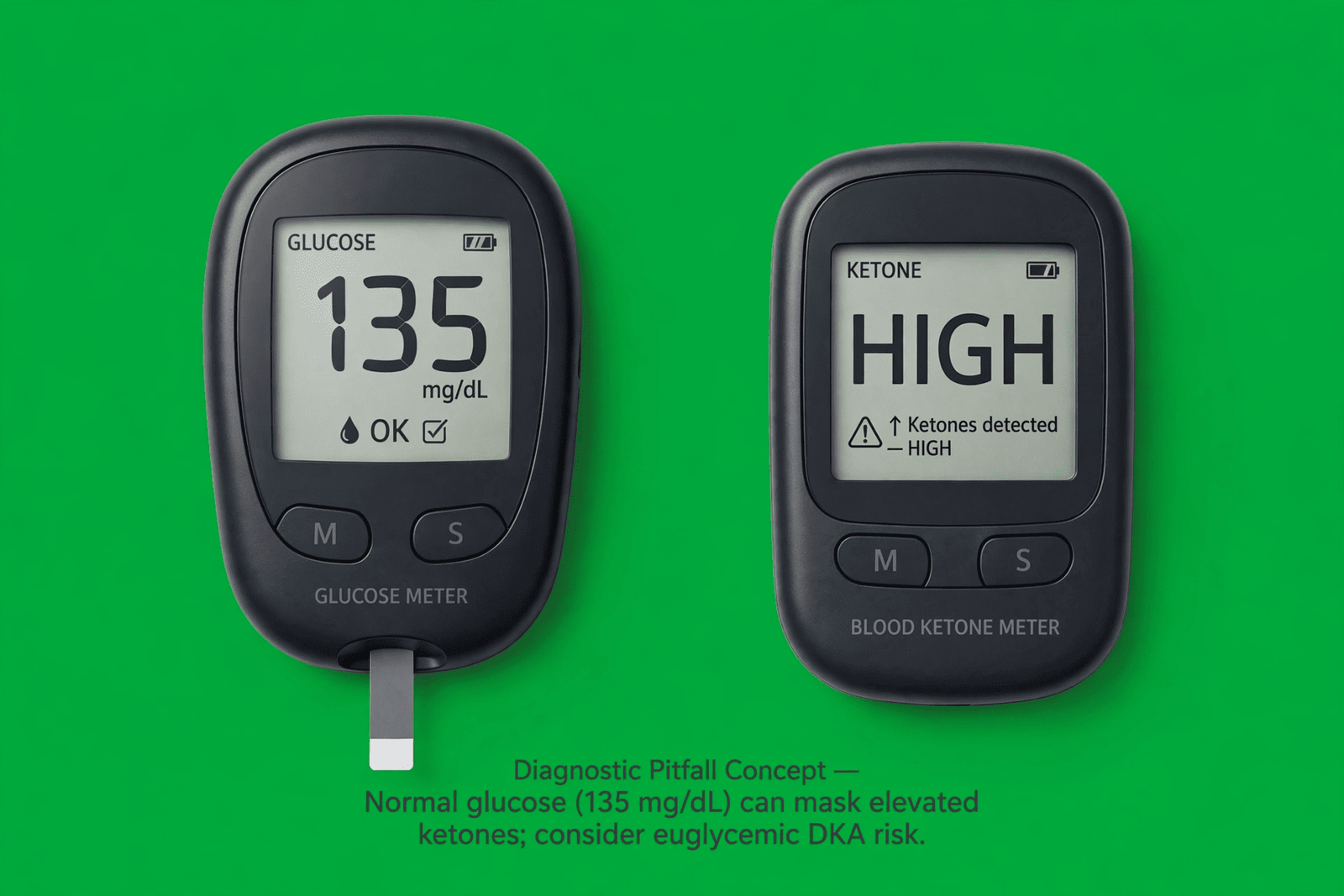
The central lesson is therefore simple but clinically powerful: a normal or mildly elevated glucose concentration does not exclude DKA in a patient taking an SGLT2 inhibitor.
EDKA should instead be approached as a ketone-driven metabolic emergency. When a susceptible patient develops unexplained high-anion-gap metabolic acidosis, nausea, vomiting, abdominal symptoms, tachypnea, or unexplained malaise, clinicians should consider blood β-hydroxybutyrate testing even when glucose is not markedly elevated.
This shift from glucose-centered reasoning to ketone-centered reasoning represents the most important diagnostic adaptation required in the SGLT2 era.
Pathophysiology: How SGLT2 Inhibition Shifts the Metabolic Balance Toward Ketogenesis
The pathophysiology of EDKA can be understood as a redistribution of metabolic priorities. Under normal conditions, insulin suppresses lipolysis, limits hepatic ketone production, promotes glucose utilization, and inhibits excessive hepatic gluconeogenesis. During insulin deficiency or relative insulin deficiency, these protective effects weaken. Counterregulatory hormones such as glucagon, epinephrine, cortisol, and growth hormone increase, promoting lipolysis and hepatic ketogenesis.
SGLT2 inhibition modifies this system at the renal and systemic levels.
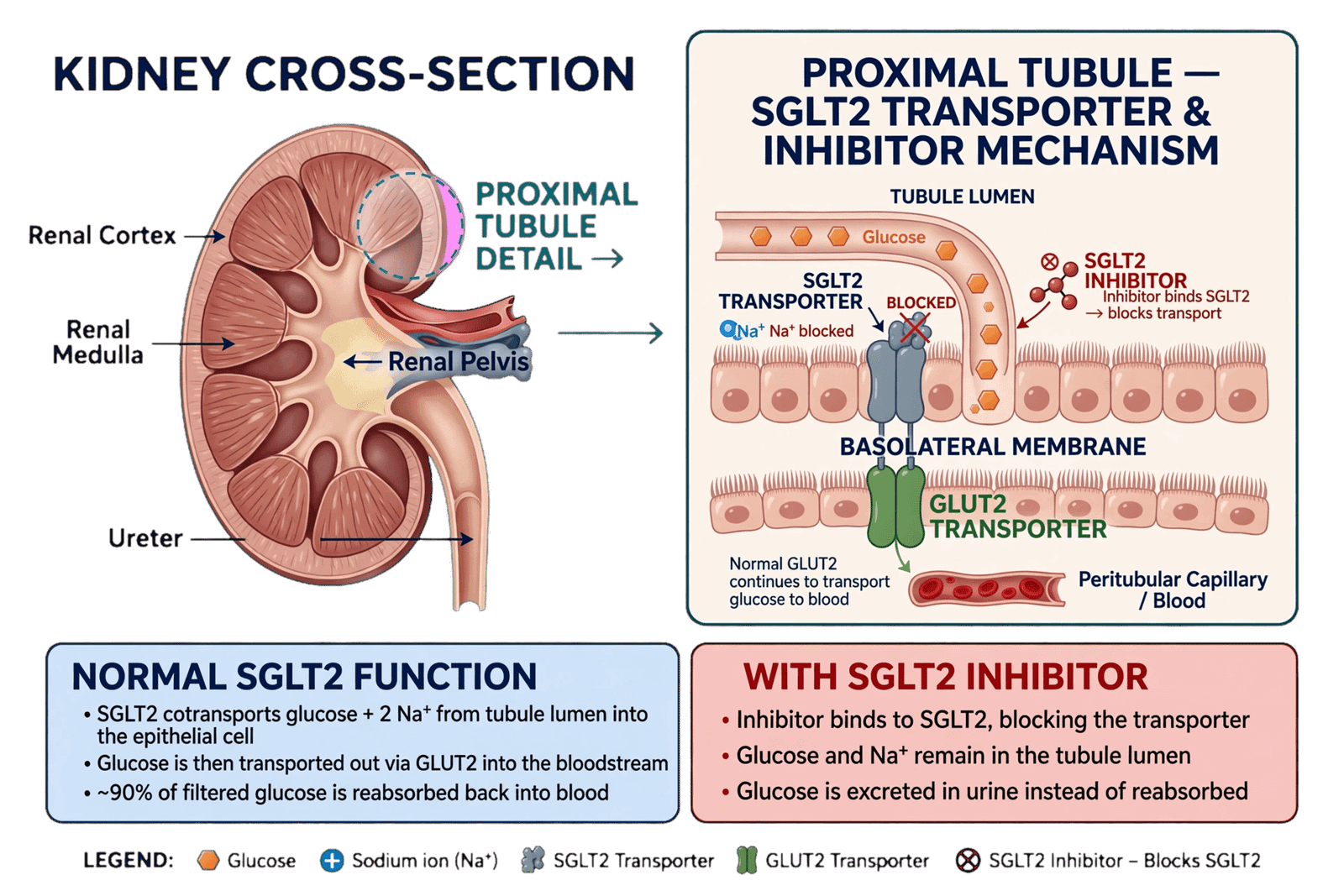
SGLT2 is expressed predominantly in the proximal renal tubule and is responsible for reabsorbing a substantial proportion of filtered glucose. Pharmacological inhibition increases urinary glucose excretion, reducing plasma glucose independently of insulin action. This glucose-lowering effect is therapeutically beneficial, but it can also uncouple plasma glucose concentration from the degree of insulin deficiency and ketone production.
A patient can therefore enter a state in which glucose is being continuously lost through the urine while hepatic fatty-acid oxidation increases.
The second component involves insulin-to-glucagon physiology. SGLT2 inhibition has been associated with reduced insulin requirements and relative increases in glucagon signaling. Lower insulin exposure, particularly in patients with limited endogenous insulin reserve or excessive exogenous insulin reduction, weakens suppression of lipolysis. Increased free fatty acid delivery to the liver provides substrate for ketone-body synthesis.
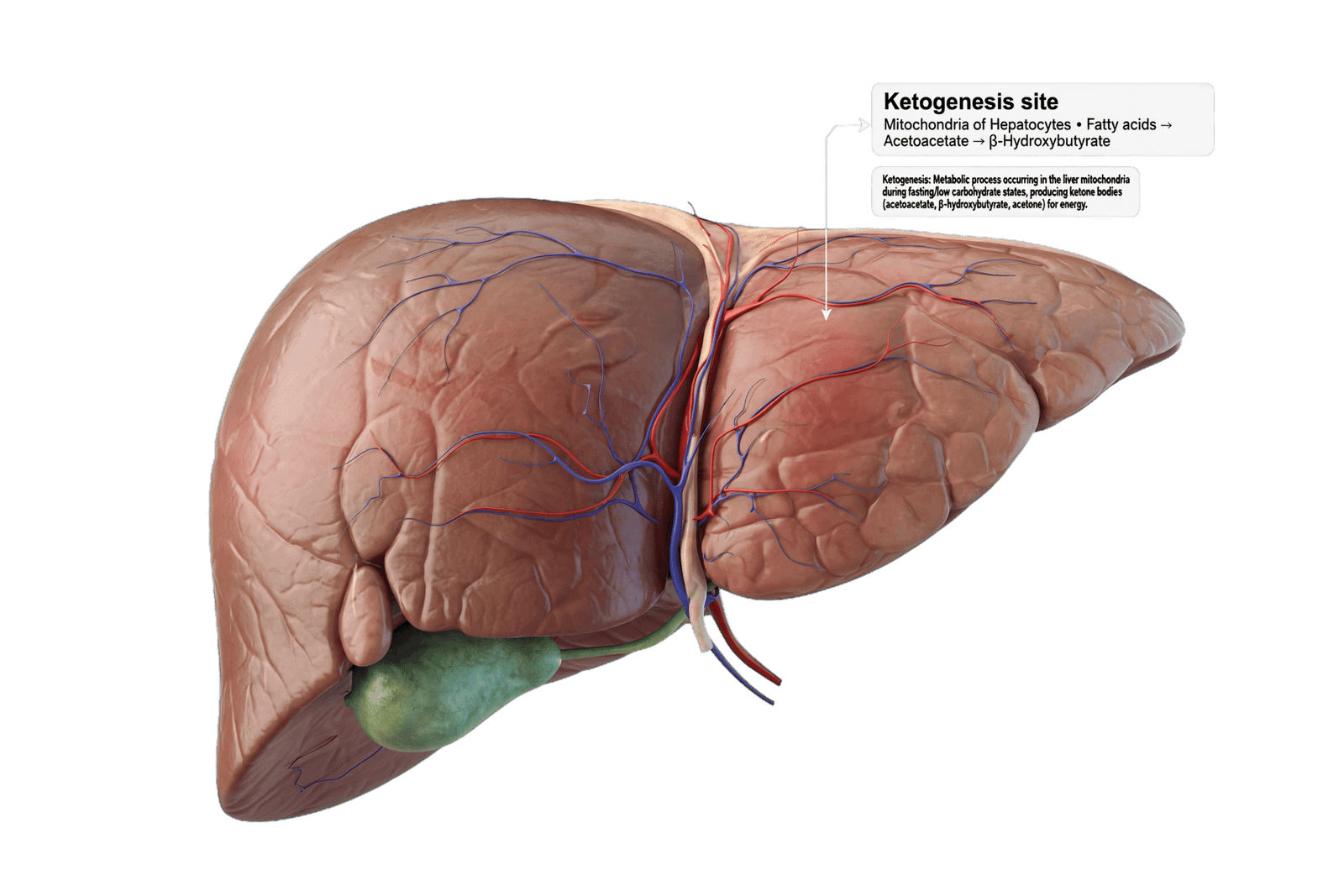
The liver converts fatty acids into acetyl-CoA, which under conditions of limited carbohydrate availability or impaired insulin signaling is increasingly diverted toward ketogenesis. The principal ketone bodies are β-hydroxybutyrate and acetoacetate, with acetone representing a smaller component generated through spontaneous decarboxylation of acetoacetate.
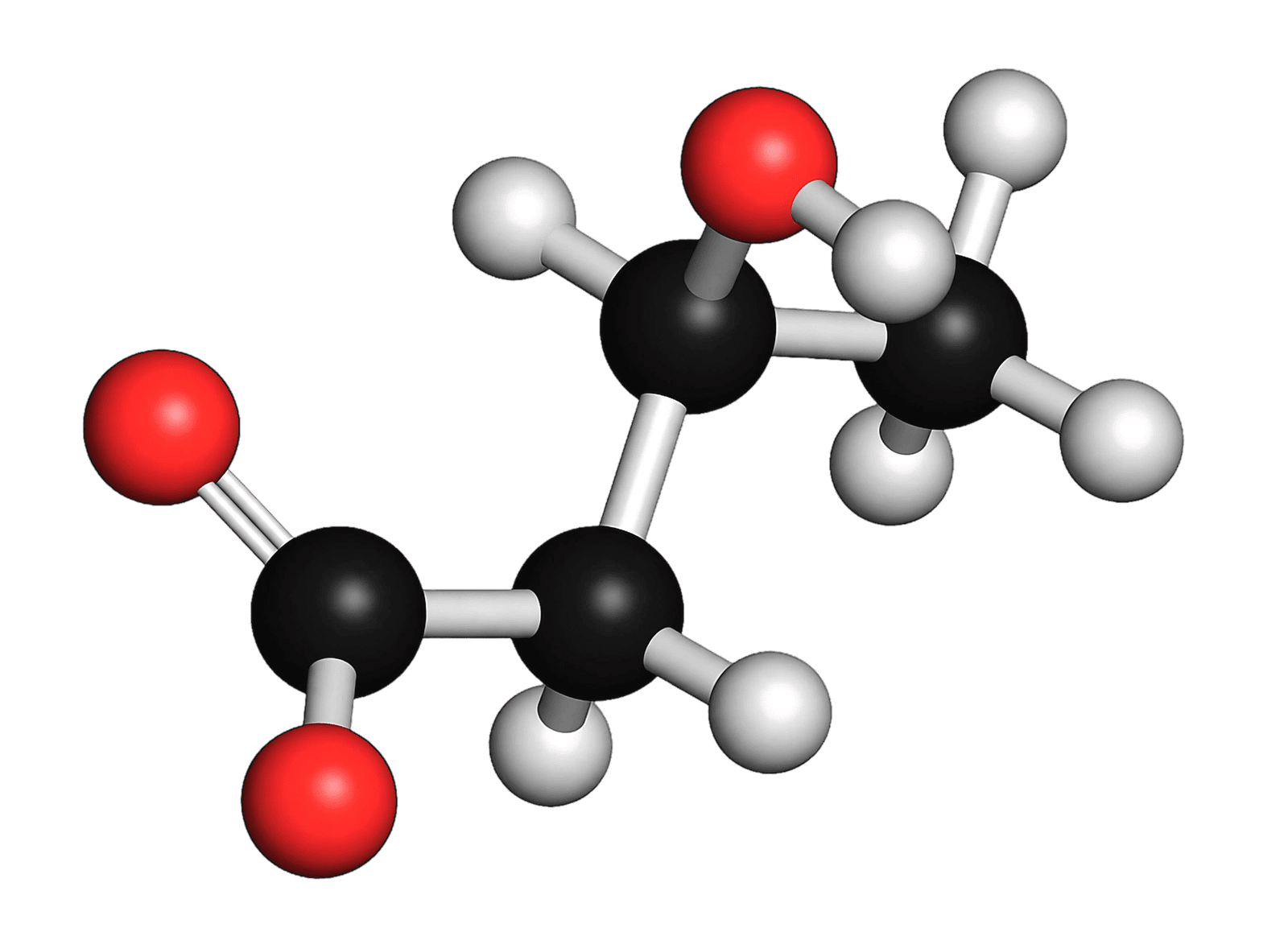
β-Hydroxybutyrate is particularly important clinically because it represents a major circulating ketoacid and is the preferred blood marker for assessing ketonemia. The 2024 hyperglycemic-crisis consensus identifies β-hydroxybutyrate ≥3.0 mmol/L as strongly associated with DKA and notes that direct measurement has advantages over urine ketone testing.
The kidney also contributes to the apparent euglycemic state. Glucosuria lowers circulating glucose while simultaneously contributing to osmotic diuresis. This can produce volume depletion, particularly when oral intake is reduced or when the patient has vomiting, diarrhea, fever, or another cause of fluid loss.
Dehydration then stimulates counterregulatory responses and reduces renal perfusion, creating an additional metabolic stress.
The resulting physiological sequence can be conceptualized as:
SGLT2 inhibition → glucosuria → lower plasma glucose → relative insulin reduction → increased glucagon/insulin ratio → lipolysis → free fatty-acid delivery to liver → ketogenesis → β-hydroxybutyrate accumulation → metabolic acidosis.
But this pathway is incomplete without recognizing the role of precipitating stress.
Fasting reduces carbohydrate availability.
Infection increases catecholamines and cortisol.
Surgery activates the stress response.
Vomiting limits carbohydrate intake and produces volume depletion.
Insulin reduction removes a critical brake on ketogenesis.
Very-low-carbohydrate diets increase reliance on fat metabolism.
Alcohol can interfere with normal hepatic glucose metabolism and promote ketogenesis.
Pregnancy produces a physiologic tendency toward accelerated starvation and therefore lowers the threshold for ketoacidosis.
These factors can interact synergistically.
This explains why an SGLT2 inhibitor does not inevitably cause EDKA. Millions of patients receive these medications without developing ketoacidosis. The clinical event usually requires a vulnerable metabolic state in which the balance between insulin availability, carbohydrate intake, counterregulatory hormones, and renal glucose loss becomes unfavorable.
The risk is particularly important in people with insulin deficiency. The 2026 ADA Standards emphasize that DKA risk is rare in type 2 diabetes but increases in the presence of predisposing factors and insulin deficiency. They also identify very-low-carbohydrate eating patterns, prolonged fasting, dehydration, excessive alcohol intake, and other common precipitants.
This pathophysiology explains the paradox of EDKA.
The glucose value may look acceptable precisely because the drug is doing what it was designed to do—promoting urinary glucose excretion.
The metabolic emergency is occurring downstream.
The patient’s liver is producing ketones.
The plasma is becoming acidotic.
The glucose meter therefore becomes an unreliable gatekeeper for excluding DKA.
This is why the biochemical diagnosis must incorporate ketones and acid-base status rather than glucose alone.
The most important clinical implication is that SGLT2 inhibitors shift the diagnostic signal. In conventional DKA, hyperglycemia often announces the crisis. In EDKA, ketosis and metabolic acidosis may announce it first.
Major Precipitating Factors and High-Risk Clinical Phenotypes
EDKA usually develops through the interaction between an SGLT2 inhibitor and one or more metabolic stressors. Understanding these precipitating factors is essential because prevention is considerably easier when the clinical context is recognized before ketoacidosis develops.
Prolonged fasting is one of the most important triggers. When carbohydrate intake falls substantially, insulin secretion decreases while glucagon and other counterregulatory hormones increase. The body progressively shifts toward lipolysis and fatty-acid oxidation. In most people this adaptation remains physiologically controlled, but in susceptible patients taking an SGLT2 inhibitor, the metabolic shift can become excessive.
Acute illness creates another high-risk environment. Infection, sepsis, myocardial infarction, stroke, and severe inflammatory conditions increase catecholamines and cortisol. These hormones promote hepatic glucose production and lipolysis while increasing insulin requirements. If insulin therapy is not adjusted appropriately, ketogenesis may accelerate.
Vomiting and gastrointestinal illness are particularly dangerous because they combine multiple mechanisms. Reduced food intake decreases carbohydrate availability, vomiting causes fluid and electrolyte loss, and dehydration increases physiological stress. Patients may also reduce or omit insulin because they are eating less, further increasing ketogenesis.
Surgery represents a special risk scenario. Surgical stress increases counterregulatory hormones while fasting reduces carbohydrate availability. The combination is especially concerning when an SGLT2 inhibitor remains active during the perioperative period.
The 2026 ADA Standards recommend stopping SGLT2 inhibitors three days before scheduled surgery, with four days recommended for ertugliflozin.
Insulin reduction or omission is another critical factor. Patients may believe that lower glucose means less insulin is necessary. With SGLT2 therapy, this assumption can be dangerous. The drug may lower glucose sufficiently to conceal the degree of insulin deficiency while ketogenesis continues.
Very-low-carbohydrate or ketogenic diets can also increase susceptibility. These diets intentionally promote fat utilization and ketone production. They may be tolerated in selected individuals, but combining severe carbohydrate restriction with an SGLT2 inhibitor creates a metabolic environment in which ketoacidosis may become more likely.
Excessive alcohol intake can contribute through several pathways, including reduced nutritional intake, altered hepatic redox state, and increased ketogenesis. Alcohol-related ketoacidosis can also mimic EDKA, making clinical context particularly important.
Pregnancy deserves special attention because pregnancy is associated with increased insulin resistance, altered fasting metabolism, and enhanced susceptibility to ketosis. Ketoacidosis during pregnancy can occur at lower glucose concentrations than in nonpregnant patients, meaning the threshold for ketone testing should be low.
A particularly important phenotype is the patient with reduced endogenous insulin reserve. Individuals with latent autoimmune diabetes, long-standing diabetes with marked β-cell failure, or patients incorrectly classified as having type 2 diabetes may be especially vulnerable. SGLT2 inhibitors are not approved for type 1 diabetes in the United States, and the 2026 ADA pharmacologic standards emphasize that SGLT2-associated DKA risk is particularly relevant in insulin-deficient states.
Volume depletion is another amplifier. SGLT2 inhibitors produce osmotic diuresis, and the combination of glucosuria, inadequate intake, vomiting, fever, diarrhea, or diuretic therapy can result in substantial dehydration.
The risk factors can therefore be divided into several categories:
Reduced carbohydrate availability: fasting, poor oral intake, ketogenic diets, vomiting.
Increased metabolic stress: infection, surgery, myocardial infarction, severe illness.
Reduced insulin availability: insulin omission, inappropriate insulin dose reduction, insulin-deficient phenotypes.
Increased volume loss: dehydration, gastrointestinal losses, excessive diuresis.
Special metabolic states: pregnancy and excessive alcohol exposure.
A useful clinical rule is that the risk becomes more concerning when several factors occur simultaneously.
For example, a patient taking dapagliflozin who develops influenza, stops eating, continues taking the SGLT2 inhibitor, reduces insulin, and becomes dehydrated has a very different risk profile from a clinically stable patient eating normally.
This risk-based approach is more useful than memorizing a single list.
Importantly, the absence of an obvious trigger does not exclude EDKA. Some patients may present spontaneously or after relatively minor stress. Conversely, the presence of a risk factor does not mean ketoacidosis is inevitable.
The purpose of identifying these factors is therefore not to frighten patients away from SGLT2 inhibitors. These drugs provide substantial cardiovascular and renal benefits. Instead, the objective is to identify circumstances in which temporary interruption, ketone monitoring, hydration, and earlier medical assessment can prevent a potentially dangerous metabolic cascade.
The 2026 ADA standards explicitly recommend sick-day planning and awareness of EDKA presentations rather than abandoning SGLT2 inhibitors broadly.
Clinical Presentation and the Diagnostic Pitfalls of EDKA
The clinical presentation of EDKA is deceptively nonspecific. Patients may present with nausea, vomiting, abdominal pain, malaise, fatigue, anorexia, dehydration, tachypnea, dyspnea, or altered mental status. These symptoms overlap with gastroenteritis, sepsis, pancreatitis, myocardial ischemia, pulmonary disease, and other acute conditions.
The absence of marked hyperglycemia creates the central diagnostic trap.
A patient may arrive with glucose of 120–180 mg/dL and be assumed to have no significant metabolic emergency. If the clinician stops the evaluation after seeing a relatively normal glucose value, the underlying ketoacidosis may progress.
The first major cognitive error is therefore glucose anchoring.
Traditional DKA reasoning often begins with “the glucose is high, so this may be DKA.” EDKA requires the reverse question:
“Could this patient have DKA despite the glucose not being high?”
This is especially important in patients taking SGLT2 inhibitors.
The second diagnostic pitfall is attributing gastrointestinal symptoms to a benign illness. Nausea, vomiting, and abdominal pain are common in DKA and may precede severe acidemia. In a patient taking an SGLT2 inhibitor, unexplained gastrointestinal symptoms should therefore prompt consideration of ketone testing, particularly if oral intake is reduced.
The third pitfall is overlooking tachypnea. Deep or rapid breathing represents respiratory compensation for metabolic acidosis. It may be incorrectly interpreted as pulmonary disease, anxiety, or systemic infection.
The fourth is focusing on serum glucose while ignoring the anion gap.
A high-anion-gap metabolic acidosis should always trigger a structured differential diagnosis. In a patient taking an SGLT2 inhibitor, ketosis must be actively assessed.
The fifth is relying on urine ketones alone. Urine nitroprusside testing primarily detects acetoacetate and acetone rather than β-hydroxybutyrate. Because β-hydroxybutyrate predominates during significant ketoacidosis and changes dynamically during treatment, urine ketone measurements may not accurately reflect current disease severity or resolution. The 2024 consensus therefore favors direct blood β-hydroxybutyrate measurement when available.
The sixth pitfall is assuming that a normal HbA1c excludes DKA risk. HbA1c reflects chronic glycemic exposure and does not determine whether a patient is currently insulin deficient or ketotic.
The seventh is underestimating the importance of medication history. The SGLT2 inhibitor may not be considered relevant if the patient has type 2 diabetes with apparently good glycemic control. Yet that apparently good control may partly reflect the drug’s glucosuric effect.
Medication reconciliation should therefore explicitly identify dapagliflozin, empagliflozin, canagliflozin, ertugliflozin, and other SGLT2 inhibitors.
Clinicians should also recognize that EDKA can occur even after the medication has been discontinued, particularly around surgery or acute illness, because pharmacodynamic effects may persist beyond the last dose. This is one reason perioperative interruption is recommended several days before elective procedures.
The physical examination may show dehydration, tachycardia, hypotension, tachypnea, dry mucous membranes, or altered mental status. However, none of these findings is sufficiently specific to establish the diagnosis.
The diagnosis requires integration of clinical context with laboratory evidence.
A practical bedside trigger is:
SGLT2 inhibitor + unexplained illness + metabolic acidosis ± gastrointestinal symptoms = check β-hydroxybutyrate.
The threshold for testing should be even lower when glucose is normal but the patient has high-anion-gap metabolic acidosis.
This is the opposite of the traditional intuition.
A normal glucose does not reassure the clinician in the presence of otherwise unexplained metabolic acidosis.
Instead, it may be the clue that suggests SGLT2-associated EDKA.
This diagnostic shift has important implications for emergency departments, surgical wards, intensive care units, and primary care settings.
EDKA should be considered early because delayed insulin therapy allows ketogenesis to continue. Once recognized, treatment is generally effective, but the clinician must accept that glucose may fall faster than the ketoacidosis resolves.
This creates the second major paradox of EDKA:
the glucose can normalize before the disease does.
Therefore, clinical improvement cannot be judged by glucose alone.
The metabolic endpoint is suppression of ketogenesis and resolution of acidosis.
That distinction should be embedded into institutional protocols and patient education.
Laboratory Diagnosis: Glucose, β-Hydroxybutyrate, Anion Gap, and Acid-Base Assessment
The diagnosis of EDKA depends on recognizing the metabolic triad of diabetes or relevant diabetic history, significant ketonemia, and metabolic acidosis in the setting of absent or modest hyperglycemia.
The 2026 ADA Standards define DKA using the presence of diabetes/hyperglycemia, ketosis, and metabolic acidosis. Their framework identifies β-hydroxybutyrate ≥3.0 mmol/L or urine ketones ≥2+ as evidence of significant ketosis, together with pH below 7.3 and/or bicarbonate below 18 mmol/L.
For EDKA, the key distinction is that glucose may remain below 200 mg/dL.
The first laboratory step should therefore not be a glucose measurement alone. It should be a metabolic assessment that includes electrolytes, bicarbonate, creatinine, venous blood gas or equivalent acid-base assessment, and blood ketones when indicated.
The anion gap is calculated from serum sodium and chloride plus bicarbonate:
Anion gap = Na⁺ − (Cl⁻ + HCO₃⁻)
An elevated anion gap supports the presence of unmeasured anions, including ketoacids. However, the anion gap should not be interpreted in isolation. Albumin concentration influences the normal anion gap, and other causes of high-anion-gap metabolic acidosis must be considered.
β-hydroxybutyrate is particularly valuable because it directly measures the predominant circulating ketone body during ketoacidosis. The 2024 international consensus states that β-hydroxybutyrate ≥3.0 mmol/L correlates strongly with DKA and has high diagnostic sensitivity and specificity.
Blood β-hydroxybutyrate is therefore preferable to urine ketones when available.
Urine ketones have several limitations. Nitroprusside-based tests do not measure β-hydroxybutyrate directly. During treatment, β-hydroxybutyrate may be converted into acetoacetate, causing urine ketones to remain positive or even appear to worsen while the metabolic state is actually improving.
This can create a misleading clinical impression.
The acid-base evaluation should include venous pH and bicarbonate. Arterial blood gases are generally unnecessary unless another indication exists, because venous pH is adequate for assessing DKA severity in most patients.
The 2024 consensus classifies DKA severity partly according to β-hydroxybutyrate, pH, bicarbonate, and mental status. Mild DKA generally involves β-hydroxybutyrate 3–6 mmol/L and bicarbonate 15–18 mmol/L or pH above 7.25 but below 7.30; severe DKA involves β-hydroxybutyrate above 6 mmol/L, pH below 7.0, or bicarbonate below 10 mmol/L, with altered mental status often indicating more severe disease. (Diabetes Journals)
Other laboratory investigations are essential for identifying the precipitant and complications. These may include complete blood count, renal function, magnesium, phosphate when clinically indicated, serum osmolality in selected cases, lactate, liver tests, infection studies, ECG, troponin, and imaging according to presentation.
A normal lactate does not exclude EDKA, while an elevated lactate may coexist with ketoacidosis.
Renal function is particularly important because dehydration and osmotic diuresis can cause acute kidney injury.
Potassium deserves special attention. Total-body potassium is typically depleted in DKA even when serum potassium is normal or elevated at presentation because insulin deficiency and acidosis shift potassium extracellularly. Once insulin therapy begins, potassium moves intracellularly and serum levels can fall rapidly.
The diagnostic process should therefore answer four questions:
- Is the patient diabetic or at risk of insulin deficiency?
- Is significant ketonemia present?
- Is metabolic acidosis present?
- Is there another explanation for the high-anion-gap acidosis?
If the answers support ketoacidosis and the patient is taking an SGLT2 inhibitor, EDKA becomes a leading diagnosis even when glucose is only mildly elevated.
One practical diagnostic algorithm is:
SGLT2 inhibitor + symptoms or unexplained high-anion-gap acidosis → serum β-hydroxybutyrate → blood gas/bicarbonate → electrolyte/anion-gap assessment → identify precipitant → initiate treatment if diagnostic criteria are met.
This algorithm deliberately places ketones before glucose severity.
That is the fundamental diagnostic adaptation required for the SGLT2 era.
Differential Diagnosis of Euglycemic High-Anion-Gap Metabolic Acidosis
Not every patient with a high-anion-gap metabolic acidosis and ketones has SGLT2-associated EDKA. A broad differential diagnosis is essential because treatment differs substantially among competing conditions.
Lactic acidosis is one of the major alternatives. Sepsis, tissue hypoperfusion, severe hypoxemia, seizures, liver failure, and certain medications can produce elevated lactate and metabolic acidosis. Lactate measurement is therefore useful when the clinical presentation suggests systemic hypoperfusion or infection.
Alcoholic ketoacidosis is another important mimic. It typically occurs in people with chronic alcohol exposure and recent cessation or reduced intake, often accompanied by vomiting and poor nutritional intake. Glucose may be normal, low, or mildly elevated. The history of alcohol use, nutritional deprivation, and laboratory pattern can help distinguish it from EDKA, although both conditions may coexist.
Starvation ketoacidosis can produce significant ketonemia during prolonged fasting. It is usually less severe than DKA, but severe cases can occur under conditions such as pregnancy or prolonged illness. The distinction from EDKA can be difficult when an SGLT2 inhibitor is present because the drug itself promotes a metabolic environment resembling starvation.
Pregnancy-related ketosis requires particular caution. Pregnancy increases susceptibility to ketosis and ketoacidosis, and glucose may not be markedly elevated. A pregnant patient taking an SGLT2 inhibitor or presenting with metabolic acidosis should therefore be evaluated urgently.
Toxic alcohol ingestion is another high-stakes differential. Methanol and ethylene glycol can produce high-anion-gap metabolic acidosis, but their biochemical profiles and associated findings differ. Osmolal gap, visual symptoms, renal findings, and exposure history may provide clues.
Salicylate toxicity can produce a mixed respiratory alkalosis and metabolic acidosis. It should be considered when the history or clinical pattern is compatible.
Renal failure can produce metabolic acidosis through impaired acid excretion and may coexist with ketosis.
Other causes include pyroglutamic acidosis, severe ketoacidosis associated with medications or nutritional states, and mixed acid-base disorders.
The presence of an SGLT2 inhibitor should therefore increase suspicion for EDKA without prematurely closing the diagnostic process.
One particularly important problem is mixed pathology.
A patient with sepsis taking an SGLT2 inhibitor may have both lactic acidosis and ketoacidosis.
A patient with prolonged fasting and alcohol exposure may have overlapping starvation and alcoholic ketosis.
A patient with DKA and renal failure may have an additional acid-base burden.
In such cases, the anion gap may be disproportionately elevated, and the clinician must interpret β-hydroxybutyrate, lactate, renal function, and clinical context together.
Another diagnostic issue is the effect of treatment on laboratory values. After insulin begins, β-hydroxybutyrate may fall while bicarbonate remains depressed because of residual metabolic changes or hyperchloremic acidosis. Therefore, the biochemical trajectory matters more than one isolated value.
The 2024 consensus specifically cautions against using the anion gap as the sole criterion of DKA resolution because hyperchloremic metabolic acidosis may persist after large-volume saline administration. Direct β-hydroxybutyrate assessment is therefore more useful when available. (Diabetes Journals)
Similarly, urine ketones should not be used alone to determine resolution.
A structured differential can therefore be organized around three questions:
Are ketones elevated?
Is the acidosis explained by ketones?
Is there another process contributing to the acidosis?
The answer should be supported by history, examination, lactate, toxicology when indicated, renal function, and appropriate imaging.
The diagnostic discipline is particularly important because EDKA is a diagnosis that can be both overcalled and undercalled.
It can be undercalled when clinicians are reassured by normal glucose.
It can be overcalled when any ketonemia in an SGLT2-treated patient is automatically labeled DKA.
The correct approach requires significant ketonemia plus metabolic acidosis in the appropriate clinical setting.
This is another reason why β-hydroxybutyrate concentration and acid-base status should be interpreted together.
The ultimate goal is not simply to label the condition.
It is to identify the metabolic mechanism quickly enough to begin appropriate treatment while simultaneously searching for the precipitating cause.
Acute Clinical Management: Fluids, Insulin, Dextrose, and Electrolyte Replacement
The management of EDKA follows the core principles of DKA treatment but contains one crucial difference: glucose may be normal from the beginning. Consequently, dextrose often needs to be introduced earlier so that insulin can be continued long enough to suppress ketogenesis.
The first step is immediate discontinuation of the SGLT2 inhibitor. The 2024 hyperglycemic-crisis consensus explicitly recommends stopping SGLT2 inhibitors on admission when SGLT2-associated DKA is suspected.
Treatment then focuses on restoring intravascular volume, suppressing ketogenesis with insulin, correcting electrolyte abnormalities, providing glucose when necessary, and treating the precipitating cause.
Fluid therapy is important because patients commonly have osmotic diuresis and additional losses from vomiting, diarrhea, fever, or poor intake. The choice and rate of intravenous fluid should be individualized according to hemodynamic status, renal function, cardiac function, sodium concentration, and risk of fluid overload.
The next critical intervention is insulin.
Insulin is not being administered primarily to lower glucose in EDKA.
It is being administered to suppress lipolysis and hepatic ketone production.
This distinction explains why insulin must often continue even after plasma glucose becomes very low.
The 2024 consensus recommends intravenous short-acting insulin at approximately 0.1 units/kg/hour for DKA, with adjustment according to response.
In conventional DKA, dextrose is generally introduced after glucose falls below a predefined threshold. In EDKA, however, glucose may already be below that threshold at diagnosis. Therefore, 5–10% dextrose should be added early, often concurrently with insulin and fluid therapy, to permit continued insulin administration without provoking hypoglycemia. The consensus specifically recommends this strategy for euglycemic DKA.
This is the most important practical difference between conventional DKA and EDKA.
Do not stop insulin simply because the glucose is normal.
Instead:
give dextrose so that insulin can continue until ketogenesis resolves.
Potassium management is equally important. Total-body potassium is usually depleted even when the initial serum concentration is normal or elevated. Insulin shifts potassium intracellularly and may produce rapid hypokalemia.
If potassium is significantly low, insulin may need to be delayed until potassium replacement has begun, according to institutional DKA protocols.
Magnesium and phosphate should be monitored when clinically indicated, particularly in severe disease or patients with significant nutritional depletion.
Bicarbonate therapy is generally not routinely required and is reserved for selected severe acidemia according to established DKA protocols.
The precipitating cause must be treated simultaneously.
If infection is suspected, appropriate cultures and antimicrobial therapy should be initiated.
If myocardial infarction is suspected, cardiac evaluation should proceed urgently.
If surgery or fasting precipitated the event, nutritional and insulin management must be corrected.
If insulin omission caused the crisis, the outpatient regimen should be reassessed before discharge.
Monitoring is intensive. Glucose should generally be checked every 1–2 hours during active treatment, while electrolytes, β-hydroxybutyrate, creatinine, and venous pH are reassessed at appropriate intervals, commonly every four hours until DKA resolves.
The clinician should follow ketone clearance rather than glucose normalization.
This distinction prevents premature discontinuation of insulin.
The management endpoint is resolution of ketoacidosis, not simply achievement of a normal glucose concentration.
In severe DKA, altered mental status, hemodynamic instability, severe acidemia, or a serious precipitating illness, intensive care may be necessary.
Mild or moderate uncomplicated DKA can sometimes be treated outside the ICU when appropriate monitoring and experienced staff are available. The 2024 consensus supports individualized location of care according to severity and clinical circumstances.
The transition to subcutaneous insulin also requires care. Basal insulin should be administered before intravenous insulin is discontinued, allowing adequate overlap to prevent recurrence of ketosis. The 2025 ADA hospital standards emphasize basal insulin overlap during transition.
The key therapeutic principle can therefore be summarized:
Fluids restore perfusion. Insulin stops ketogenesis. Dextrose permits continued insulin despite euglycemia. Electrolytes prevent treatment-related complications. Treatment of the trigger prevents recurrence.
EDKA becomes dangerous when any one of these components is neglected.
Monitoring Treatment Response and Determining Resolution of Ketoacidosis
Successful treatment of EDKA requires continuous reassessment because the visible glucose value may improve much faster than the underlying ketoacidosis.
This creates a dangerous opportunity for premature treatment cessation.
A patient may have glucose of 100 mg/dL after several hours of therapy while β-hydroxybutyrate remains elevated and metabolic acidosis persists. If insulin is stopped because the glucose appears “normal,” ketogenesis may resume.
The correct therapeutic endpoint is therefore metabolic resolution.
The 2024 international consensus emphasizes serial measurement of glucose, electrolytes, β-hydroxybutyrate, creatinine, and venous pH during treatment. Glucose should generally be monitored every one to two hours, while broader biochemical assessment is repeated approximately every four hours until resolution.
β-hydroxybutyrate is particularly valuable because it directly measures the major circulating ketone body.
A falling β-hydroxybutyrate concentration indicates that ketogenesis is being suppressed.
A persistently elevated or rising concentration suggests that insulin delivery is insufficient, the precipitating factor remains active, or another metabolic problem is present.
The anion gap provides useful supportive information but should not be treated as an absolute endpoint.
Large amounts of chloride-containing fluid can produce hyperchloremic metabolic acidosis. In such circumstances, the anion gap may normalize while bicarbonate remains low, or bicarbonate may remain depressed despite resolution of ketoacid production.
The 2024 consensus therefore advises against relying solely on the anion gap to determine DKA resolution.
Urine ketones are similarly imperfect.
As β-hydroxybutyrate is converted back toward acetoacetate during recovery, urine nitroprusside measurements may remain positive despite improving metabolic status.
The clinical team should therefore interpret urine ketones cautiously and prefer blood β-hydroxybutyrate when available.
Glucose management becomes a balancing act.
Insulin must continue until ketosis resolves.
Dextrose must be adjusted upward or downward to prevent hypoglycemia while allowing adequate insulin delivery.
This is why EDKA treatment can require substantial dextrose administration even though the initial glucose is normal.
The treatment team should also monitor potassium closely because insulin drives potassium intracellularly.
A patient who begins with potassium of 4.2 mmol/L may develop clinically significant hypokalemia during treatment.
Renal function should be reassessed because dehydration and ketoacidosis may produce acute kidney injury.
Fluid therapy should be adjusted in patients with heart failure or advanced kidney disease because excessive volume administration can cause pulmonary edema.
Acid-base status should be interpreted in context.
A patient may have persistent mild acidosis because of hyperchloremia after saline therapy even though β-hydroxybutyrate has normalized.
Conversely, persistent β-hydroxybutyrate elevation with apparently improving bicarbonate should raise concern for incomplete metabolic resolution.
The treatment team should also assess clinical improvement.
Resolution of tachypnea, nausea, vomiting, abdominal pain, dehydration, and mental-status changes provides important corroborative evidence.
However, symptom improvement alone should never replace biochemical confirmation.
The transition from intravenous to subcutaneous insulin is another high-risk period.
Insulin should not be discontinued abruptly.
The 2024 consensus recommends ensuring adequate basal insulin coverage during transition, and the 2025 ADA hospital standards emphasize giving basal insulin two to four hours before stopping intravenous insulin to prevent recurrence of ketoacidosis.
The patient should be able to maintain oral intake and have a stable metabolic profile before discharge.
Before discharge, the clinical team should identify the precipitating cause and determine whether the SGLT2 inhibitor should be restarted.
This decision requires particular caution after an episode of DKA. The 2024 consensus notes that routine continuation or reinitiation of SGLT2 inhibitor therapy after DKA is not recommended in patients with type 2 diabetes because of limited safety data, while individualized specialist decisions may be appropriate in selected circumstances.
The final stage of treatment is therefore not simply biochemical normalization.
It is prevention of recurrence.
The patient must understand why the event occurred, which medications contributed, how to respond to future illness, when to check ketones, when to stop the SGLT2 inhibitor, and when to seek emergency care.
A technically successful hospitalization without a prevention plan is an incomplete treatment.
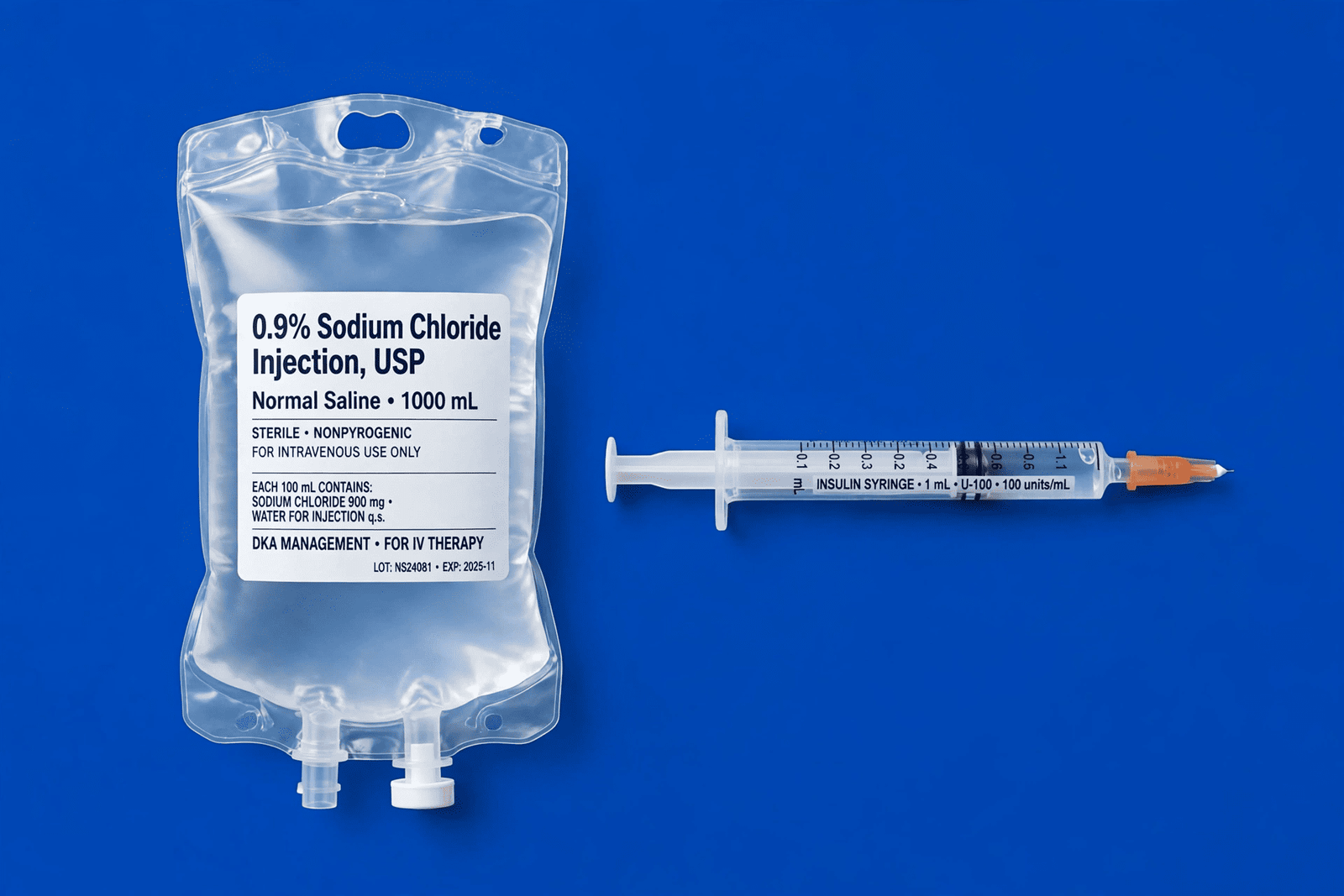
Perioperative, Hospital, and Acute-Illness Management of SGLT2 Inhibitors
The perioperative period is one of the most important settings for preventing SGLT2-associated EDKA because fasting, surgical stress, altered insulin requirements, and dehydration can converge within a short period.
The modern approach is therefore proactive rather than reactive.
The 2026 ADA Standards recommend stopping SGLT2 inhibitors three days before scheduled surgery and four days before surgery for ertugliflozin.
This interval reflects concern that pharmacological effects may persist beyond the last administered dose.
The medication should not simply be stopped without a broader diabetes-management plan. Insulin and glucose monitoring may need adjustment, particularly in insulin-treated patients.
Patients undergoing urgent or emergency surgery represent a different challenge because there may be insufficient time for an appropriate preoperative washout.
In such patients, clinicians should actively consider EDKA if unexplained metabolic acidosis, ketonemia, nausea, tachypnea, or hemodynamic instability develops.
The 2026 ADA hospital standards specifically recommend close postoperative monitoring for DKA in people taking SGLT2 inhibitors who undergo nonelective surgery.
The medication should generally be avoided during prolonged fasting.
It should also be held during severe acute illness, especially when oral intake is poor, dehydration is present, or ketones are detected.
The 2026 ADA pharmacologic standards explicitly recommend discontinuation during critical illness and prolonged fasting and emphasize sick-day planning.
The concept of a “sick-day rule” should be operational rather than vague.
Patients should be taught that if they become significantly unwell, especially with vomiting, diarrhea, fever, reduced oral intake, or dehydration, they should follow an individualized medication plan that includes temporarily withholding the SGLT2 inhibitor and assessing ketones when indicated.
Importantly, insulin should generally not be stopped simply because the patient is eating less.
Insulin deficiency is one of the central drivers of ketoacidosis.
In insulin-treated patients, basal insulin usually needs to continue, although doses may require individualized adjustment under medical guidance.
This is particularly important in people with type 1 diabetes or substantial insulin deficiency, where insulin interruption can rapidly produce DKA.
Hospitalized patients present another challenge.
SGLT2 inhibitors may have important cardiovascular and renal benefits, and contemporary practice increasingly uses them in patients with heart failure or chronic kidney disease. However, the medication should not be used as a routine inpatient glucose-lowering therapy during acute illness.
The 2026 ADA hospital standards state that SGLT2 inhibitors should be avoided in severe illness, ketonemia or ketonuria, prolonged fasting, and surgical procedures.
Interestingly, the standards allow selected use in hospitalized patients with heart failure after recovery from acute illness and when contraindications are absent. This distinction is important: temporary interruption during acute metabolic stress does not mean permanent abandonment of a beneficial therapy.
Restarting should occur only when the patient is clinically stable, eating and drinking normally, ketones have resolved, and the precipitating risk factors have been addressed.
Emergency departments should develop electronic alerts or medication-history prompts for SGLT2 inhibitors.
The combination of an SGLT2 inhibitor and unexplained high-anion-gap metabolic acidosis should automatically trigger consideration of EDKA.
Perioperative protocols should similarly incorporate medication reconciliation and ketone assessment for high-risk patients.
A practical institutional strategy can be summarized:
Elective surgery: stop SGLT2 inhibitor in advance according to agent-specific guidance.
Emergency surgery: assume risk may persist and monitor for ketones/acidosis.
Acute illness with poor intake: temporarily withhold SGLT2 inhibitor and follow sick-day protocol.
Ketonemia or suspected DKA: discontinue SGLT2 inhibitor and treat metabolic emergency.
Recovery: restart only after clinical and metabolic stabilization and reassessment of ongoing suitability.
The broader lesson is that SGLT2 inhibitors require context-sensitive prescribing.
Their cardiovascular and renal benefits are substantial, but the same pharmacology that produces those benefits can create unusual metabolic presentations under stress.
Safe prescribing therefore requires anticipating periods when the patient’s physiology changes.
Prevention: Sick-Day Rules, Ketone Monitoring, Patient Education, and Risk Reduction
Prevention of EDKA begins before the first prescription is written.
Patients should understand both the benefits and the rare but serious risk of ketoacidosis. The objective is not to discourage appropriate SGLT2 inhibitor use but to make the patient capable of recognizing situations in which the medication becomes temporarily unsafe.
Education should begin with the central paradox:
DKA can occur even when glucose is not high.
Patients should therefore be instructed not to use glucose alone as the indicator of safety during acute illness.
Sick-day planning is one of the most important preventive interventions. Patients should know when to temporarily withhold the SGLT2 inhibitor, particularly during significant vomiting, diarrhea, dehydration, prolonged fasting, or severe acute illness.
The 2026 ADA Standards explicitly recommend sick-day planning for people receiving SGLT2 inhibitors.
Ketone monitoring should be considered for patients at increased risk, particularly those with insulin deficiency or recurrent precipitating factors.
Blood β-hydroxybutyrate is generally more informative than urine ketones because it directly measures the predominant circulating ketone body. The 2024 consensus recognizes the advantages of point-of-care blood β-hydroxybutyrate testing when appropriate equipment and training are available.
Patients should also understand warning symptoms.
Nausea.
Vomiting.
Abdominal pain.
Unusual fatigue.
Rapid or deep breathing.
Shortness of breath.
Confusion.
Marked thirst or dehydration.
These symptoms should prompt medical evaluation when significant, particularly if the patient is taking an SGLT2 inhibitor.
Nutrition is another preventive domain.
Extremely restrictive carbohydrate diets may increase ketogenesis. Patients using SGLT2 inhibitors should therefore discuss ketogenic or very-low-carbohydrate diets with their diabetes clinician rather than assuming that any weight-loss strategy is metabolically neutral.
Hydration is equally important.
SGLT2 inhibitors increase urinary glucose excretion and can contribute to volume depletion. During fever, vomiting, diarrhea, heavy exertion, or hot-weather exposure, fluid requirements may increase.
Alcohol intake should also be addressed because excessive alcohol exposure can contribute to poor nutritional intake and ketosis.
Insulin management deserves special emphasis.
Patients should not independently stop basal insulin simply because they are eating less or because glucose readings are lower while taking an SGLT2 inhibitor.
This is particularly important in patients with substantial insulin deficiency.
Healthcare systems can improve prevention through electronic prescribing alerts, standardized perioperative medication instructions, and discharge checklists.
The prescription itself should ideally include a safety plan.
Patients should know:
When to stop the medication.
When to check ketones.
Which symptoms require urgent assessment.
Which medications should continue.
When the SGLT2 inhibitor can be restarted.
What information to provide to emergency clinicians.
The final point is particularly important because EDKA can be missed even in hospitals.
Patients should be encouraged to tell clinicians that they are taking an SGLT2 inhibitor whenever they present with acute illness.
A medication card or electronic medication list can help.
Prevention should also involve clinicians beyond endocrinology.
Emergency physicians, surgeons, anesthesiologists, intensivists, cardiologists, nephrologists, and primary-care physicians increasingly encounter patients taking SGLT2 inhibitors.
The drug class is no longer limited to glucose management.
Therefore, awareness of EDKA must extend across specialties.
One of the most important preventive lessons from contemporary practice is that risk mitigation should be proportional rather than absolute.
SGLT2 inhibitors provide important reductions in heart-failure hospitalization and kidney disease progression in appropriately selected populations. The 2026 ADA Standards continue to recommend them for cardiovascular and renal indications.
The correct response to EDKA risk is therefore not indiscriminate avoidance.
It is informed prescribing.
Identify high-risk patients.
Provide sick-day instructions.
Avoid use during prolonged fasting and critical illness.
Stop appropriately before surgery.
Use ketone testing when clinically indicated.
Educate patients that normal glucose does not exclude DKA.
And reassess therapy after any episode of ketoacidosis.
This converts prevention from a warning label into an active clinical strategy.
Special Populations and Challenging Clinical Scenarios
EDKA does not affect all patients equally. Certain populations have physiological characteristics that can lower the threshold for ketosis or make diagnosis particularly difficult.
Pregnancy is one of the most important examples. Pregnancy produces physiological insulin resistance and changes in fasting metabolism. Pregnant patients can develop significant ketoacidosis with lower glucose concentrations than expected. When nausea, vomiting, infection, or prolonged poor intake occurs, the metabolic reserve may be rapidly exhausted.
Because maternal ketoacidosis can threaten both mother and fetus, unexplained metabolic acidosis or ketonemia in pregnancy requires urgent evaluation. SGLT2 inhibitors are generally not appropriate during pregnancy, making medication exposure itself an important part of the assessment.
Patients with type 1 diabetes or latent autoimmune diabetes represent another high-risk population.
SGLT2 inhibitors are not approved for type 1 diabetes in the United States because of DKA risk. The risk is linked to the underlying insulin-deficient physiology rather than glucose concentration alone.
Patients with long-standing type 2 diabetes may also have substantial β-cell failure despite being classified as type 2 diabetes.
This creates a clinically important phenotype: the patient may appear to have type 2 diabetes but have insufficient endogenous insulin reserve to tolerate additional metabolic stress.
Patients with chronic kidney disease require another layer of caution.
SGLT2 inhibitors are strongly beneficial for many patients with CKD, and the 2026 ADA standards support their use for kidney and cardiovascular protection in appropriate patients.
However, acute kidney injury, dehydration, and reduced oral intake can change the risk-benefit balance temporarily.
Heart failure patients create a similar dilemma.
SGLT2 inhibitors provide important heart-failure benefits, but aggressive diuresis combined with acute illness can increase volume depletion.
The appropriate response is not necessarily permanent discontinuation but careful management of the acute illness and temporary withholding when clinically indicated.
Older adults may be especially vulnerable to dehydration, infection, reduced oral intake, and medication-management errors. The 2026 ADA standards specifically highlight volume depletion and EDKA as concerns requiring thoughtful SGLT2 inhibitor selection in older populations.
Patients undergoing bariatric or metabolic surgery represent another challenging group because altered nutrient intake and rapid metabolic changes can affect ketone physiology. Prolonged fasting around surgery increases risk and requires careful perioperative planning.
Patients following ketogenic or very-low-carbohydrate diets also deserve attention. While nutritional ketosis is not equivalent to DKA, the combination of substantial carbohydrate restriction, insulin deficiency, dehydration, and SGLT2 inhibition can narrow the physiological safety margin.
Alcohol use can further complicate diagnosis because alcoholic ketoacidosis may coexist with or resemble EDKA.
Patients with eating disorders or recurrent intentional food restriction may also be at increased risk because reduced carbohydrate availability interacts with SGLT2-associated glucosuria.
The emergency clinician should therefore avoid a single-disease model.
Consider a patient with heart failure taking dapagliflozin who develops pneumonia, poor oral intake, vomiting, and tachypnea. The patient may have sepsis, dehydration, lactic acidosis, EDKA, or a combination.
Another patient with type 2 diabetes, an SGLT2 inhibitor, and abdominal pain may have pancreatitis, bowel disease, DKA, or another emergency.
The medication history changes the diagnostic probability but does not replace clinical reasoning.
A particularly challenging scenario is a patient whose glucose is 100 mg/dL and whose β-hydroxybutyrate is elevated but who has minimal acidosis.
This may represent early ketosis rather than established DKA.
The clinical significance depends on symptoms, β-hydroxybutyrate level, bicarbonate, pH, trajectory, and precipitating factors.
This is why isolated ketone positivity should not automatically be labeled EDKA.
The clinician must identify whether clinically significant metabolic acidosis is present.
Another challenge occurs after treatment begins.
A patient may develop hyperchloremic acidosis during fluid replacement even after ketoacidosis has resolved. Without careful interpretation, clinicians may mistakenly believe that DKA persists.
Thus, special populations reinforce the broader principle:
EDKA is a syndrome produced by the interaction of medication, metabolism, and context.
Risk cannot be determined from the drug alone.
It must be evaluated through the patient’s insulin reserve, nutritional state, hydration status, acute illness, renal function, and clinical trajectory.
Future Directions: Risk Prediction, Continuous Ketone Monitoring, and Safer SGLT2 Use
The next phase of EDKA prevention is likely to move from generalized warnings toward individualized risk prediction.
Current clinical practice identifies broad risk factors such as fasting, surgery, illness, dehydration, insulin reduction, and low-carbohydrate diets. Future systems may combine these variables into dynamic risk models capable of estimating an individual’s probability of developing ketoacidosis.
Electronic health records could identify patients taking SGLT2 inhibitors who are scheduled for surgery, admitted with infection, developing acute kidney injury, or experiencing reduced oral intake.
Automated alerts could then recommend temporary medication interruption and ketone assessment.
Such systems could be particularly valuable because EDKA is rare enough that individual clinicians may have limited experience recognizing it.
Point-of-care β-hydroxybutyrate testing is another important development.
Blood ketone meters are already available, and the 2024 consensus recognizes their advantages. Continuous ketone monitoring remains an area of research, with the potential to provide earlier detection of rising ketone levels before severe acidosis develops.
If continuous ketone sensing becomes sufficiently accurate and practical, it could fundamentally change prevention.
A patient might receive an alert showing that ketone levels are rising during fasting or acute illness, prompting early carbohydrate intake, medication interruption, hydration, or medical assessment before ketoacidosis becomes severe.
However, such technology requires validation.
A sensor that produces frequent false-positive alerts could create anxiety and unnecessary healthcare utilization.
AI may also contribute.
A future risk model could integrate medication exposure, glucose trends, ketone measurements, dietary information, heart rate, illness symptoms, renal function, and previous episodes of ketosis.
The model could estimate whether a patient is entering a high-risk metabolic state.
Importantly, explainability would be essential.
Patients and clinicians should understand why the system is recommending a medication hold or ketone assessment.
Another future direction is pharmacological personalization.
Not every patient responds identically to SGLT2 inhibition. Genetic factors, renal function, insulin reserve, dietary patterns, and concomitant medications may influence risk.
Identifying patients with particularly low endogenous insulin reserve could improve drug selection.
The future may therefore involve a more sophisticated preprescription assessment.
Instead of asking simply whether the patient has type 2 diabetes, clinicians may consider:
How much endogenous insulin reserve does the patient have?
Has the patient previously experienced ketosis?
Does the patient follow a very-low-carbohydrate diet?
Are recurrent fasting periods likely?
Is surgery planned?
Does the patient have frequent acute illnesses?
Can the patient reliably follow sick-day instructions?
Can ketone testing be performed when necessary?
These questions may become part of precision prescribing.
Another important area is reinitiation after DKA.
Current consensus guidance is cautious. The 2024 hyperglycemic-crisis report states that routine initiation or continuation of SGLT2 inhibitors after DKA resolution is not recommended in type 2 diabetes because safety data are limited.
Future studies may identify subgroups in whom restarting provides enough cardiovascular or renal benefit to justify carefully controlled re-exposure.
Such decisions would require shared decision-making and specialist involvement.
Clinical trials should also distinguish DKA from EDKA explicitly.
If trials classify DKA only through diagnostic codes or glucose-based criteria, euglycemic events may be missed.
The 2026 ADA hospital standards acknowledge this concern in discussing observational data around emergency surgery and the possibility that EDKA may be underrecognized.
Future surveillance systems should therefore incorporate ketone measurements and acid-base data whenever possible.
Finally, education itself may become technology-assisted.
Digital patient pathways could automatically provide sick-day instructions, surgical medication reminders, ketone-testing guidance, and emergency warning signs.
This could convert preventive counseling from a one-time conversation into a continuously accessible safety system.
The future objective is not to eliminate SGLT2 inhibitors.
It is to make their use more intelligent.
These drugs have transformed the treatment of diabetes, heart failure, and chronic kidney disease.
The next challenge is ensuring that the benefits of SGLT2 inhibition are preserved while the metabolic conditions that permit EDKA are recognized early and managed proactively.

Conclusions: Moving From Glucose-Centered Diagnosis to Ketone-Centered Clinical Reasoning
Euglycemic diabetic ketoacidosis represents one of the most important diagnostic lessons created by the widespread use of SGLT2 inhibitors.
The central problem is not that DKA has changed its biology completely.
The problem is that the familiar glucose signal has become less reliable.
SGLT2 inhibitors increase urinary glucose excretion and can maintain relatively low plasma glucose while insulin deficiency, counterregulatory hormone activation, lipolysis, and hepatic ketogenesis continue.
The result can be severe ketoacidosis without the marked hyperglycemia traditionally associated with DKA.
The clinical implications are substantial.
A patient taking an SGLT2 inhibitor who presents with nausea, vomiting, abdominal discomfort, tachypnea, dehydration, unexplained malaise, or high-anion-gap metabolic acidosis should be evaluated for ketosis regardless of the glucose concentration.
Blood β-hydroxybutyrate is particularly valuable.
The 2024 international consensus identifies β-hydroxybutyrate ≥3.0 mmol/L as strongly associated with DKA and emphasizes direct blood ketone assessment when available.
The diagnosis should integrate diabetes history, ketonemia, metabolic acidosis, and clinical context rather than relying on glucose alone.
Treatment follows the principles of conventional DKA: intravenous fluids, insulin, electrolyte management, and treatment of the precipitating cause.
The critical difference is that dextrose may need to be introduced early because glucose can already be normal.
The purpose of insulin is not merely to lower glucose.
It is to stop ketogenesis.
Therefore, insulin must continue until the ketoacidotic process has resolved even when glucose appears completely normal.
Monitoring should prioritize β-hydroxybutyrate and acid-base recovery rather than glucose normalization alone.
Prevention is equally important.
SGLT2 inhibitors should be withheld during severe acute illness, prolonged fasting, and perioperative periods according to current recommendations. The 2026 ADA Standards recommend stopping these medications three days before scheduled surgery and four days before surgery for ertugliflozin.
Patients should receive explicit sick-day instructions and understand that normal glucose does not exclude ketoacidosis.
At the same time, the existence of EDKA should not obscure the substantial benefits of SGLT2 inhibitors. Current diabetes standards continue to recommend these agents for appropriate cardiovascular and renal indications.
The correct response is therefore risk management rather than indiscriminate avoidance.
The future will likely involve more precise risk stratification, point-of-care and potentially continuous ketone monitoring, electronic perioperative safeguards, and AI-assisted prediction of high-risk metabolic states.
The most important conceptual change, however, is simpler.
In the SGLT2 era, glucose is no longer sufficient to exclude DKA.
When the clinical context is compatible, unexplained metabolic acidosis should trigger ketone assessment.
The clinician must learn to recognize the disease through its metabolic consequences rather than waiting for hyperglycemia to announce it.
EDKA therefore represents more than an adverse drug reaction.
It is a test of modern clinical reasoning.
The successful clinician is the one who recognizes that the glucose may look reassuring while the metabolism is becoming dangerous.
The ultimate diagnostic principle is consequently:
When an SGLT2-treated patient looks metabolically ill, do not ask only “How high is the glucose?” Ask “Where are the ketones, and what is the acid-base state?”